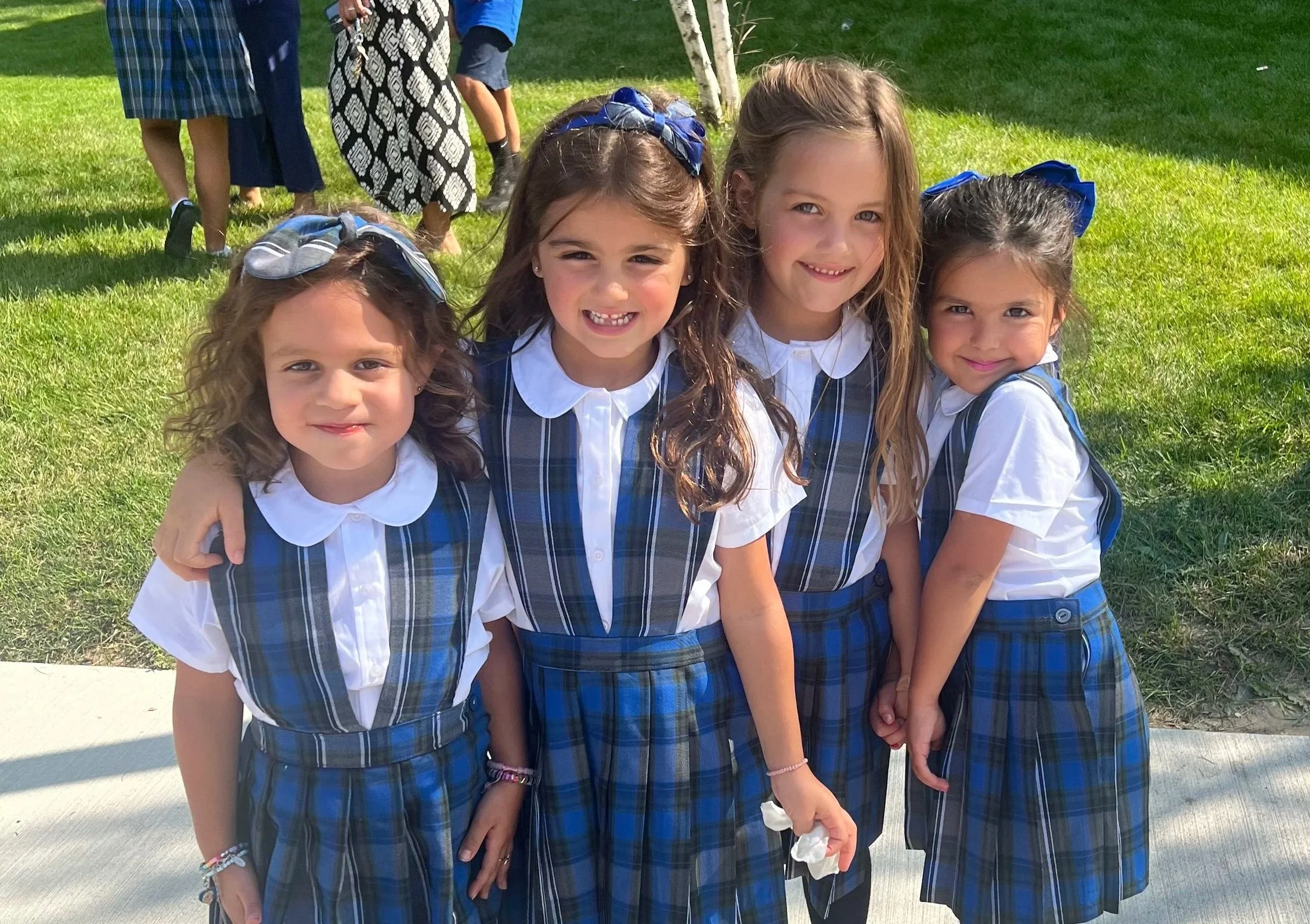
Kindergarten - 5th
Our K–5 curriculum is rooted in a Workshop Model of instruction that empowers students to think independently, collaborate meaningfully, and grow as lifelong learners. Grounded in our Christian faith, we strive to cultivate a learning environment where students not only develop strong literacy and mathematical skills but also practice virtues such as perseverance, compassion, and stewardship of their God-given gifts.
-
Preschool–Third Grade
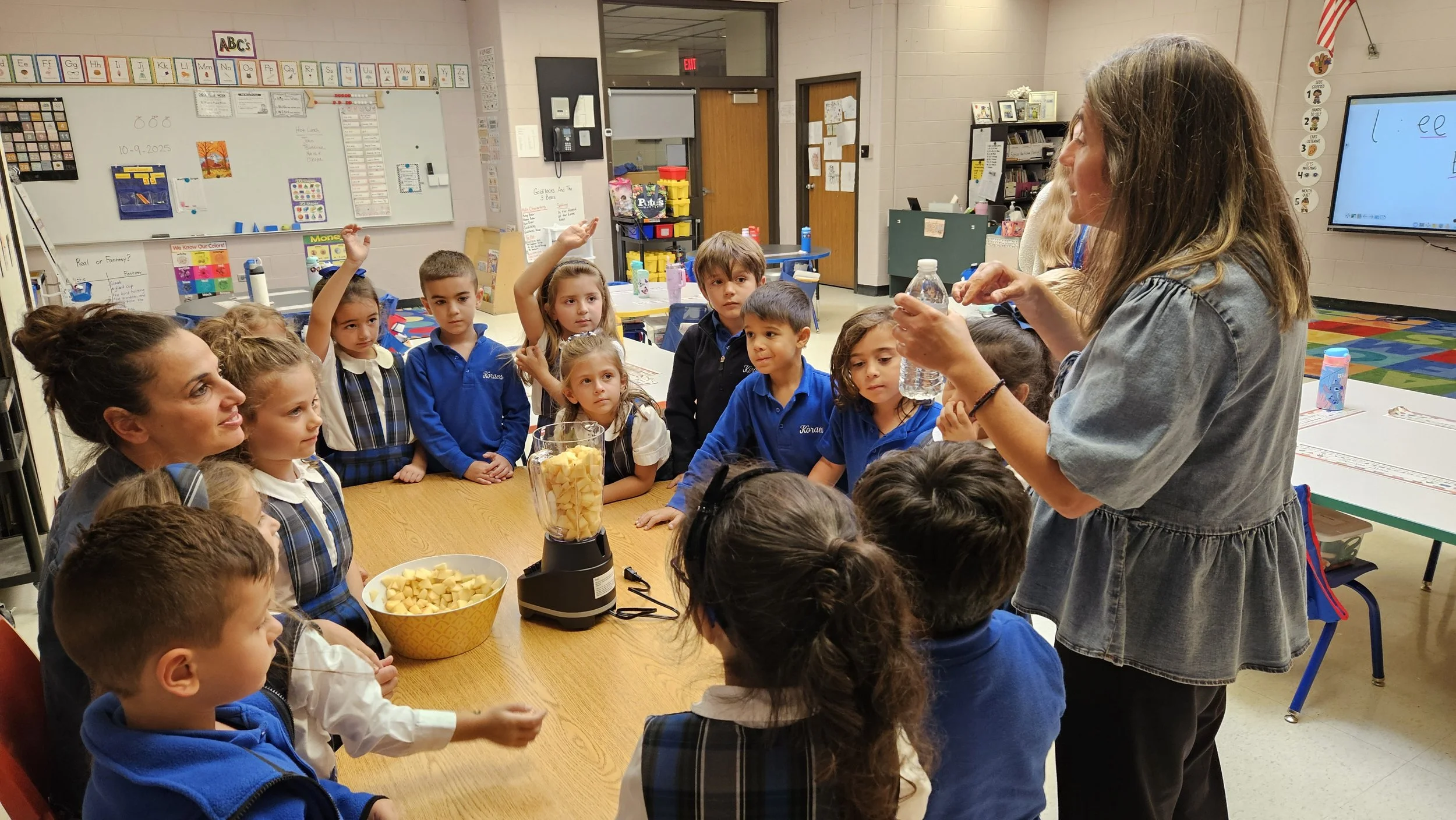
Open STEM gives our youngest learners the chance to explore science through creativity, curiosity, and hands-on fun! Students in preschool through third grade participate in NGSS-based STEM lessons that connect to the science concepts taught in their homerooms—and often tie into seasonal themes and holidays. Lessons are offered twice a month for second and third grade, and once a week for younger grades. Each experience emphasizes the engineering design process, encouraging students to ask questions, imagine, build, test, and improve their ideas. Through playful challenges and creative problem-solving, students learn that curiosity is the key to discovery and that they can make a difference in the world around them. Open STEM inspires a lifelong love of science and provides a joyful foundation for future scientific learning.Fourth Grade
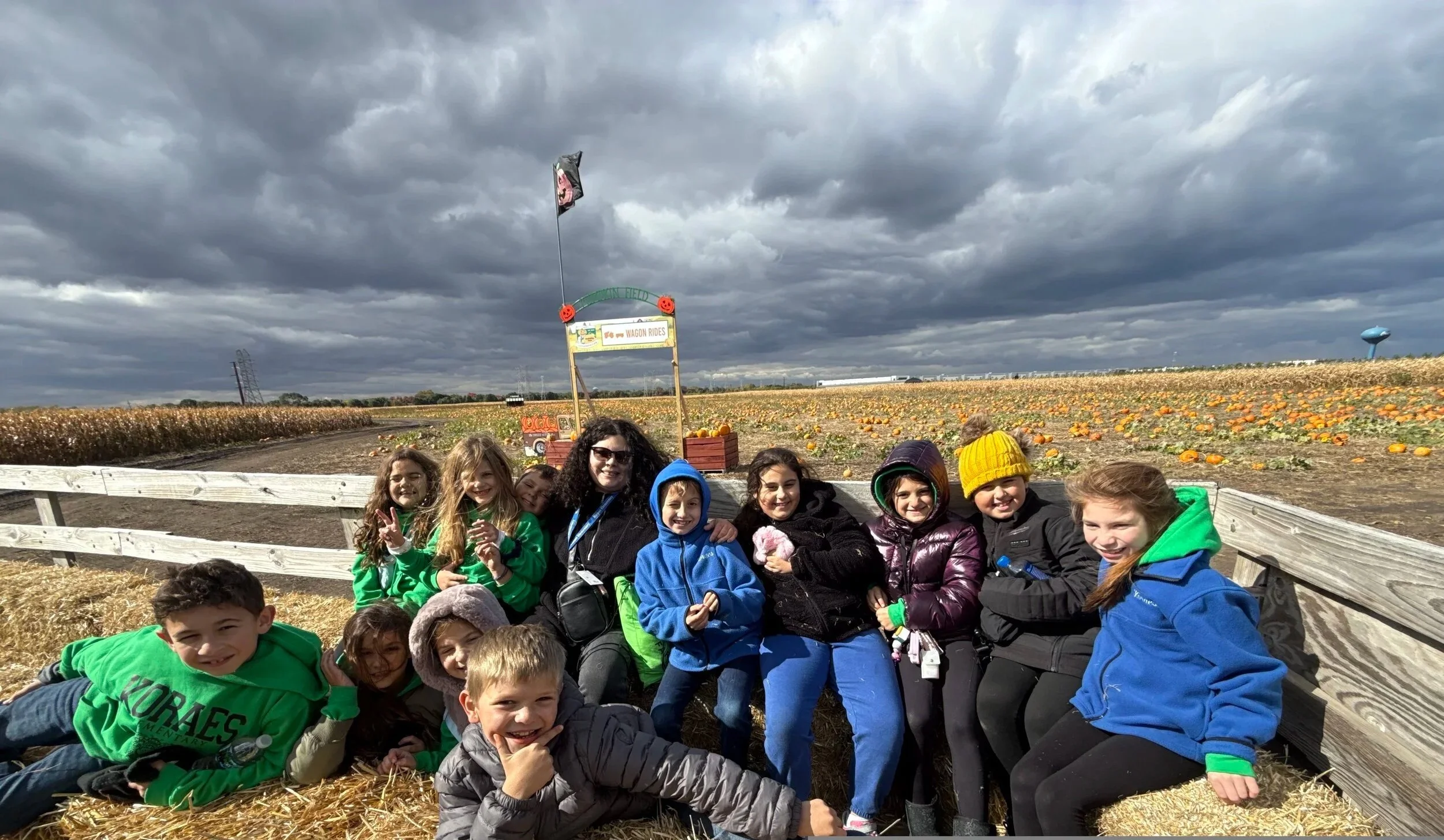
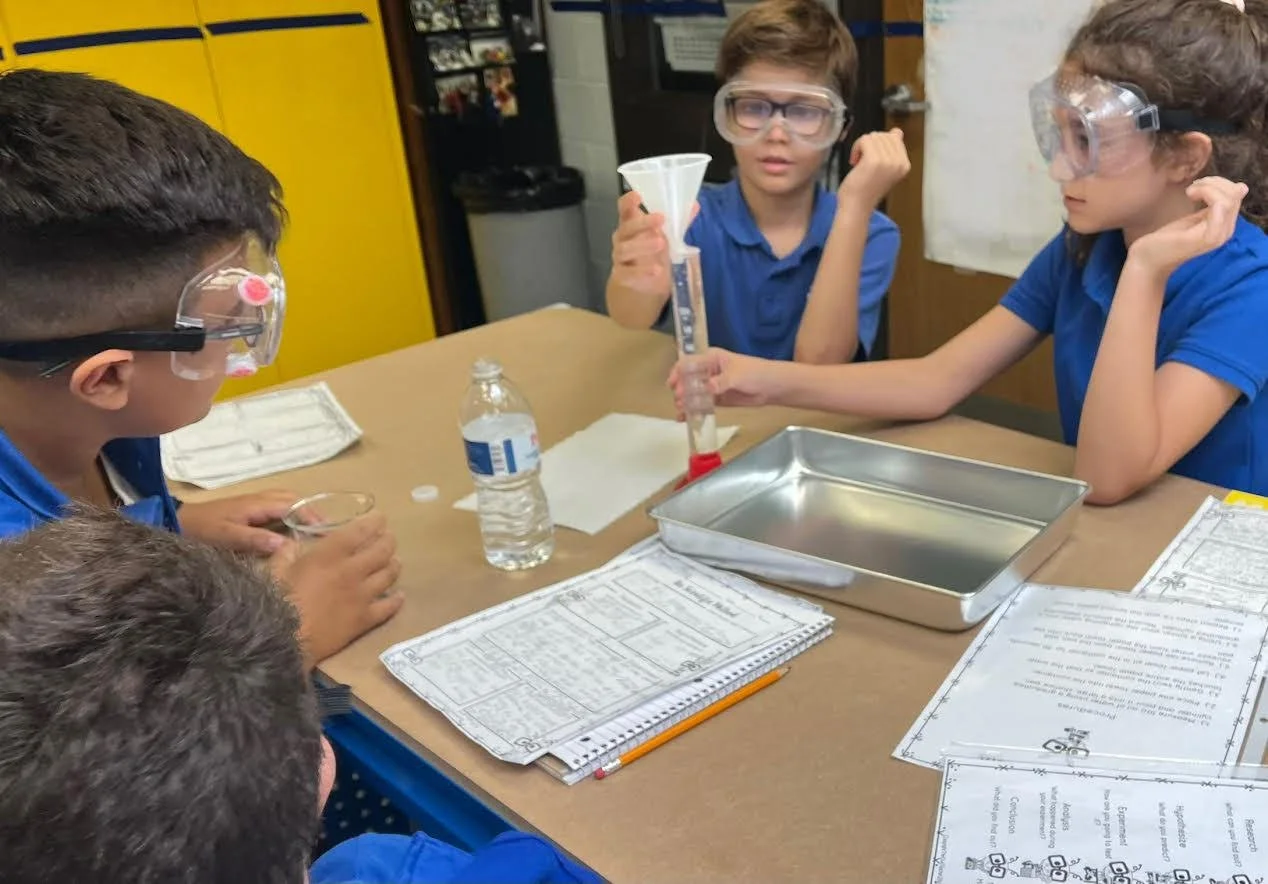
Fourth grade scientists explore the natural world through hands-on investigations that spark curiosity and deepen understanding. Student exploration through labs is emphasized, encouraging learners to think critically, ask questions, and follow the steps of the scientific method. Lessons are aligned to the Next Generation Science Standards (NGSS) and focus on real-world topics in Earth, Life, and Physical Science. Each unit includes opportunities for data collection, analysis, and communication of findings. Engineering challenges help students apply the engineering design process, fostering creativity and problem-solving skills. Field trips, collaborations, and the integration of reading, writing, and technology make science come alive and help students build confidence as young scientists.Fifth Grade Science
In fifth grade science, students build upon their natural curiosity through inquiry and experimentation. Hands-on lab experiences play a central role, giving students the opportunity to design investigations, test ideas, and communicate results. All lessons are NGSS-aligned, connecting scientific concepts to real-world issues and daily life. Students engage in engineering design challenges, collaborative projects, and technology-rich activities that strengthen their ability to think critically and creatively. Field trips and guest speakers expand learning beyond the classroom, helping students see science in action. Through exploration and discovery, students grow as problem solvers and confident thinkers who are eager to explore the “why” and “how” of the world around them. -
In kindergarten, math instruction uses Sonlight’s hands-on, literature rich curriculum grounded in developmentally appropriate exploration and discovery. GoMath supports our own internal workshop model by emphasizing conceptual understanding, problem-solving, and mathematical reasoning.
Kindergarten
Mini-lessons introducing concepts with manipulatives, models, and stories
Math centers for exploration of number sense, shapes, patterns, measurement, and early operations
Small-group instruction based on readiness
Faith-infused connections, such as recognizing the order and patterns God places in creation, practicing patience, and celebrating the joy of learning as one of God’s gifts
Real-world problem-solving that builds confidence and independence
First - 5th Grades
Concept-building mini-lessons
Guided practice with manipulatives and visual models
Independent problem-solving
Math centers and differentiated tasks
Exit tickets and conferences for ongoing assessment
-
Students are introduced to the joy of singing and music-making in a faith-based context. They learn hymns, prayers, and responses used in the Divine Liturgy, fostering a connection to Orthodox worship. In Greek classes, students also learn traditional and modern children’s songs, which enhance language learning, build confidence, and encourage active participation in music.
The band program at Koraes is provided by Music Education Services and meets twice a week for 45 minutes each class, beginning in the 4th grade. Students in the program work with a licensed Illinois band director and perform at least three concerts per year combined with other local area schools to create a full sized band. There are additional performance opportunities such as Solo Festival and Honors Band, with the overall goal to prepare students to play in a high school band program. Students may use their own instruments, or rent one through the program. -
Our ELA curriculum follows the Schoolwide Fundamentals and Writing Units, which emphasizes reading, writing, speaking, listening, and language development through authentic texts and meaningful writing tasks.
Key Components
Reading Workshop: Students explore rich, diverse texts; develop comprehension strategies; and build habits of independent reading at their instructional level
Writing Workshop: Students learn the craft of narrative, informational, and opinion writing; engage in drafting, revising, and publishing; and receive personalized feedback through teacher conferences
Word Study & Vocabulary: Systematic instruction supports decoding, spelling patterns, and vocabulary development
Assessment: Formative assessments, running records, conferring notes, and student work samples guide differentiation and support
-
Physical Education at Koraes plays a foundational role in developing both physical skills and healthy habits for life.
PreK–2
In early grades, the focus is on fundamental movement skills, body awareness, and coordination through play-based learning. A typical class includes:Warm-up activities
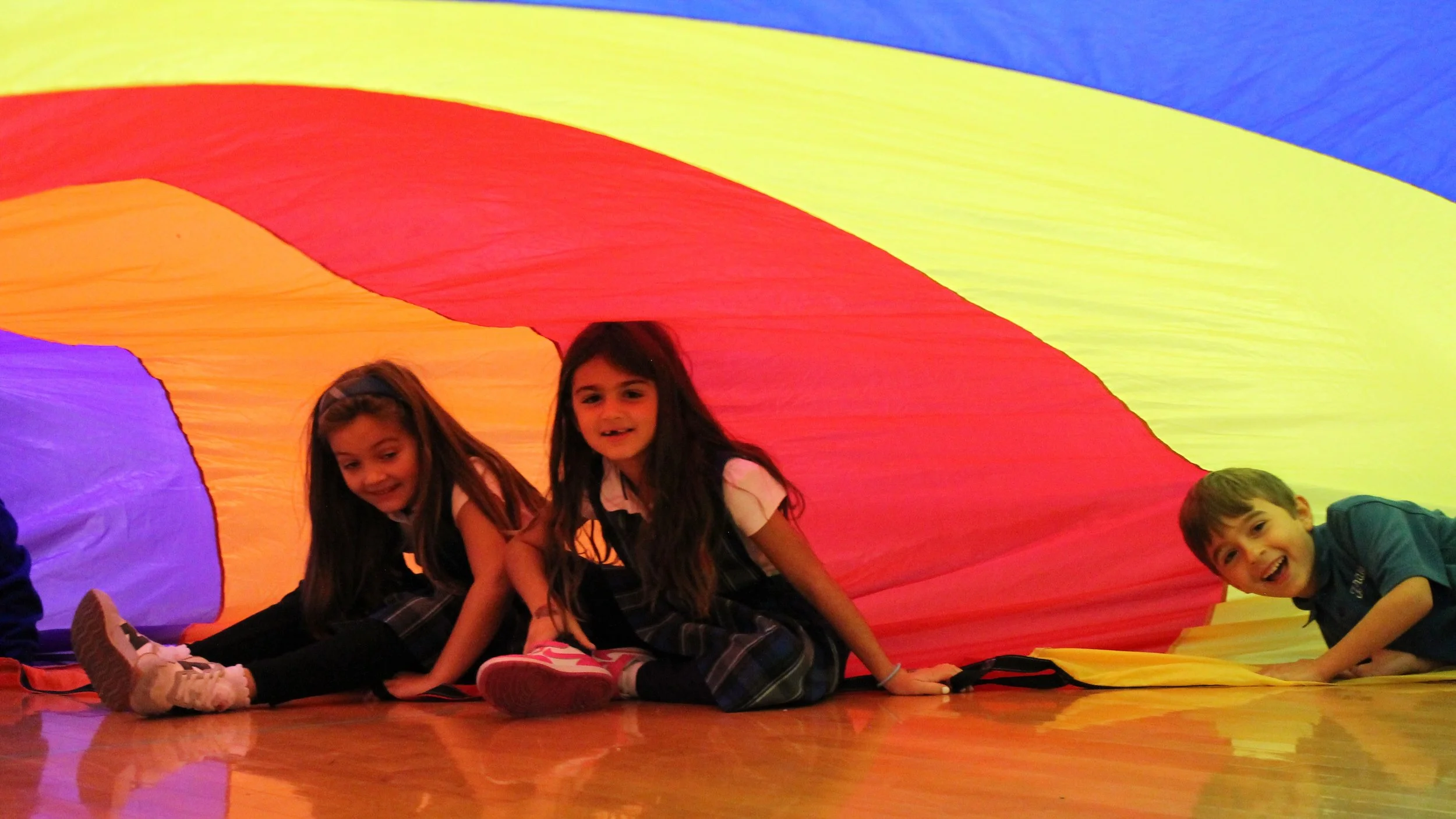
Group games like Shark Attack or Relay Races
Opportunities to practice safe movement, teamwork, and body control
Grades 3–8
As students grow, the curriculum emphasizes skill development, teamwork, and understanding the rules of sports. A typical class includes:Stretching and warm-up
Skill drills (e.g., dribbling, passing, fitness)
Scrimmages or team games such as basketball, soccer, or volleyball
Students are graded on participation, sportsmanship, preparedness, assessment, and effort. They are expected to:
Arrive prepared with proper clothing and footwear
Show respect for teachers, classmates, and equipment
Exhibit good sportsmanship and teamwork
Maintain safety and cleanliness in locker rooms and gym spaces
-
Our 5th Grade Social Studies curriculum is designed to meet all Illinois State Board of Education (ISBE) learning standards while building a strong foundation in early United States history, geography, civics, and economics. Students explore the people, ideas, and events that shaped the nation and its government while developing the knowledge and skills needed to think critically about the past and its connections to their world today.
Fifth graders explore the causes, key events, and major figures of the American Revolution. Through primary and secondary sources, they examine the conflict between the colonies and Great Britain, analyze the ideas that inspired independence, and consider how the war shaped the emerging American identity.
Aligned with ISBE civics standards, the curriculum introduces students to the formation of the U.S. government. Students learn about the Constitutional Convention, the structure and purpose of the U.S. Constitution, the Bill of Rights, and the roles of the three branches of government. Lessons emphasize civic participation, individual rights, and the responsibilities of citizens in a democratic society. Students also engage in research, ask compelling questions, evaluate sources, and communicate their conclusions. This approach helps them build strong critical-thinking and problem-solving skills.
-
Grades 1–3
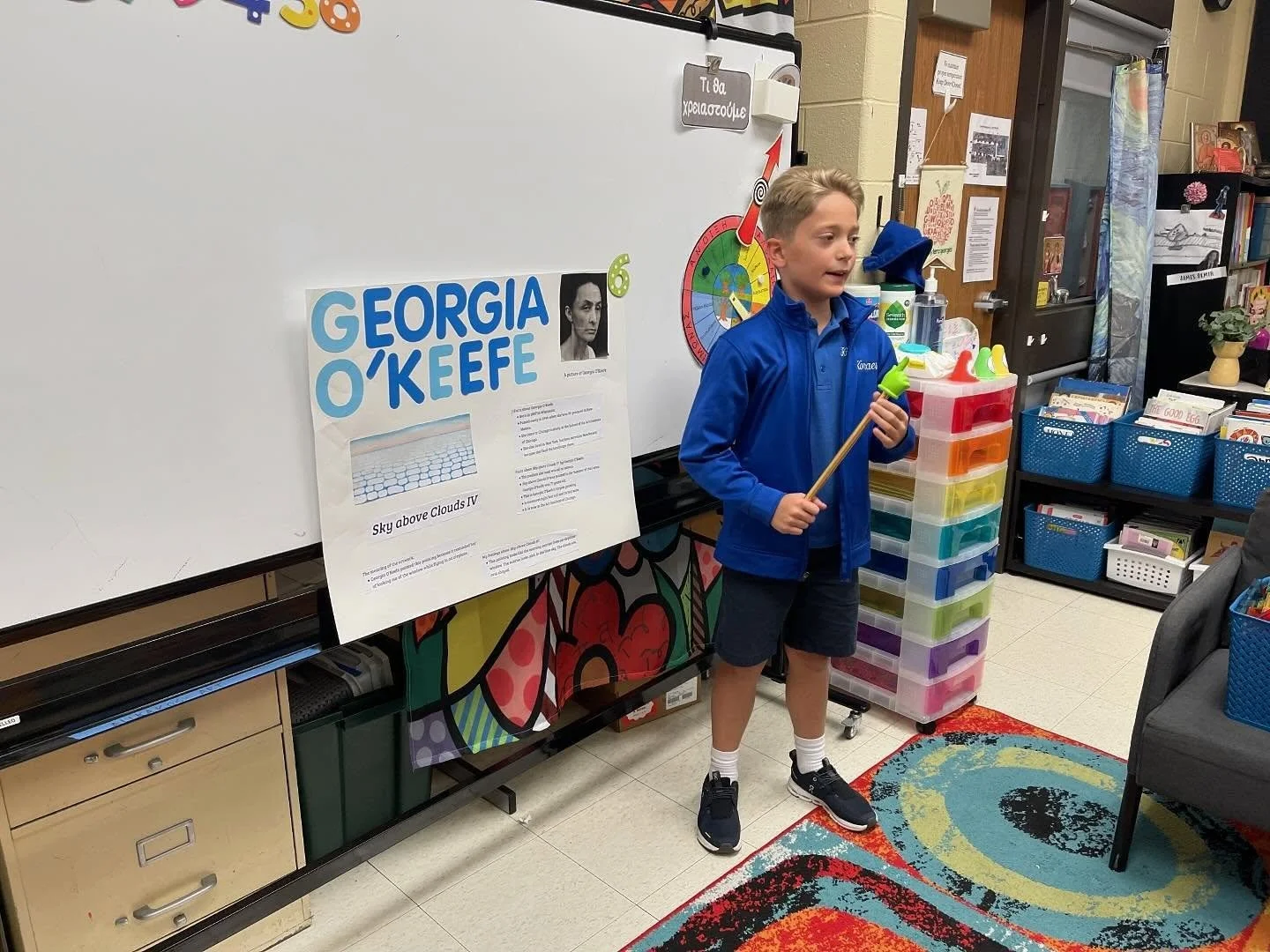
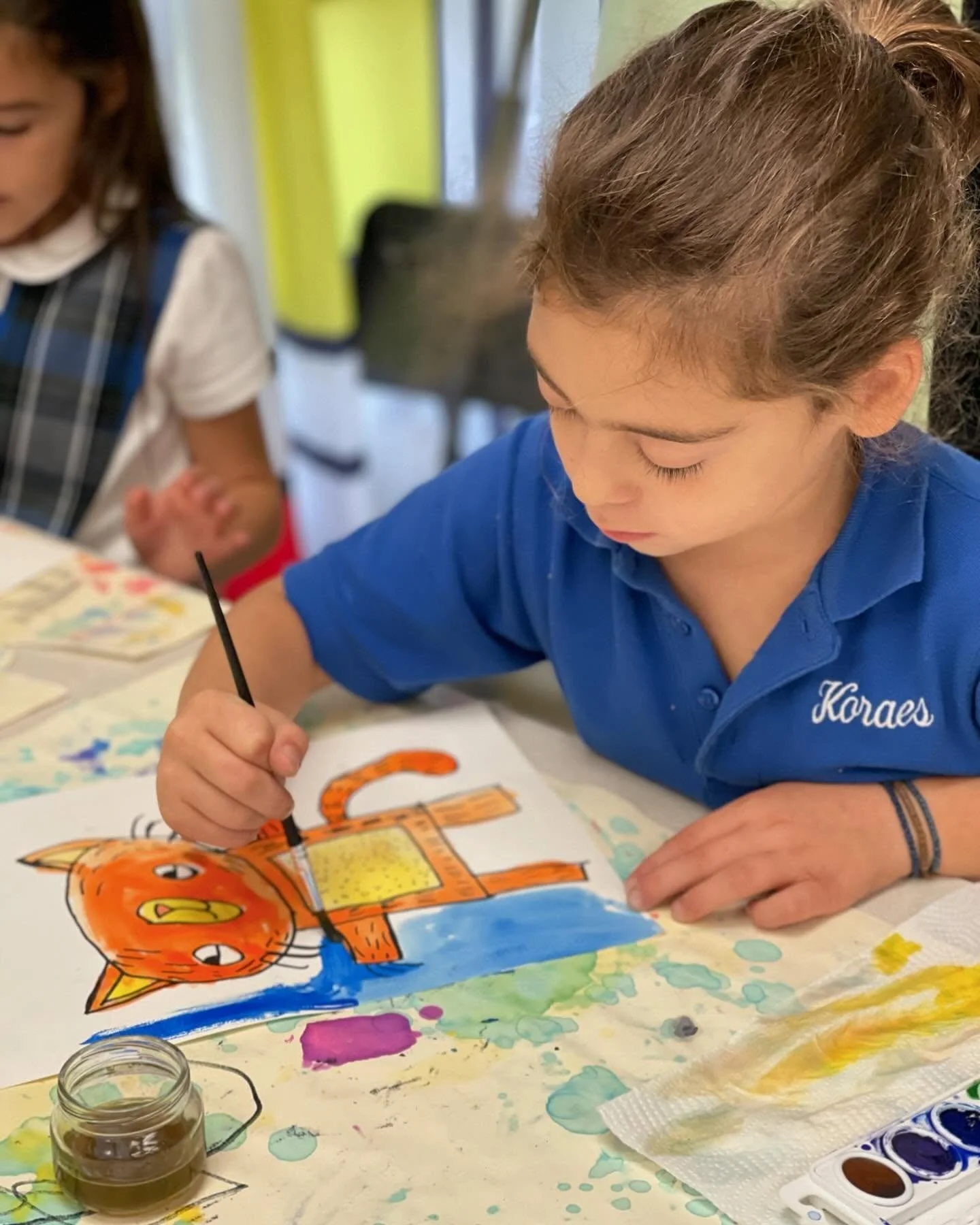
Students begin to explore the elements of art—line, shape, color, texture, and space, and learn how to combine them in simple compositions. Projects introduce pattern, form, and basic perspective, while students are encouraged to experiment and develop their own creative style. They also learn about famous artists and their works, making connections between art, culture, and everyday life.
Grades 4–5
Building on foundational skills, students explore more complex techniques and materials, including painting, drawing, sculpture, and mixed media. Lessons introduce the principles of design, such as balance, contrast, rhythm, and harmony, helping students create more intentional and expressive artworks. Students also study the lives and works of Greek and international artists, connecting history, culture, and creativity. -
Preschool/Pre Kindergarten
In Pre-K, students are joyfully introduced to the Greek language through songs, storytelling, games, and movement-based play. Activities align with their English classroom themes, allowing children to build natural connections between the two languages. The focus is on basic vocabulary, recognition of common words and expressions, and fostering curiosity for Greek traditions and sounds. At this stage, learning is purely exploratory and auditory, creating a strong foundation for future study.
Kindergarten Greek Language Program
In Kindergarten, students begin recognizing and naming letters of the Greek alphabet, using songs, movement, and crafts to reinforce sound-letter associations. The focus remains on listening and speaking, building comprehension through repetition, stories, and interactive routines. Toward the end of the year, students are gently introduced to early reading and writing, preparing them for formal instruction in Grade 1. Learning continues to be play-based, musical, and highly engaging.
1st Grade Greek Language Program
In 1st Grade, students are divided into two groups based on prior experience and proficiency, allowing teachers to provide differentiated instruction. The curriculum strengthens the alphabet, phonetic reading, and everyday vocabulary, emphasizing both comprehension and speaking. Using the Papaloizos and Archdiocese textbooks along with Greek123.com, Ellinopoula, and StaEllinika, students learn to communicate through simple dialogues, identify familiar objects, and write basic words and phrases. By the end of the year, students are prepared to transition into the Novice range of ACTFL proficiency, where communication in Greek becomes more intentional and functional.
2nd Grade Greek Language Program — Beginning of the ACTFL Novice Level
In 2nd Grade, students officially enter the Novice Level as defined by the ACTFL Proficiency Guidelines. At this stage, they begin using Greek in meaningful, structured communication across all four skill areas: listening, speaking, reading, and writing. Students practice reading short sentences and paragraphs, writing simple compositions, and conversing using familiar phrases. Grammar instruction includes vowel combinations (diphthongs), gender and number agreement, and verb conjugations in the present tense.
Classroom activities include oral presentations, pair dialogues, group games, and cultural projects, promoting confidence and authentic language use. The goal for this level is Novice Mid to Novice High proficiency—students can express basic ideas, ask and answer simple questions, and understand familiar topics when spoken slowly and clearly.3rd Grade Greek Language Program
In 3rd Grade, students continue developing within the Novice High range, expanding their vocabulary, grammar, and comprehension. They study noun-adjective agreement, present tense verbs, and begin forming simple past (aorist) tense sentences. Reading passages become slightly longer and more descriptive, and writing includes short paragraphs and personal responses. Technology platforms reinforce listening and pronunciation, while cultural lessons explore family life, school routines, and Greek celebrations. Students strengthen their confidence speaking in Greek about familiar, everyday topics.
4th Grade Greek Language Program
In 4th Grade, students begin to bridge from Novice High toward Intermediate Low proficiency. Lessons emphasize grammatical accuracy, verb tense development (aorist and simple future), and structured writing. Students read longer stories, hold short conversations, and summarize what they read or hear. Cultural studies focus on Greek geography, mythology, and customs, connecting language learning with national identity. Through oral reports, projects, and interactive platform use, students develop both fluency and cultural literacy.
5th Grade Greek Language Program
5th Grade students deepen their linguistic and cultural understanding. They expand use of complex sentence structures, adjectives and adverbs, and object pronouns while reading more advanced texts such as fables and short articles. Writing becomes more detailed and coherent, including descriptive and narrative paragraphs. Students engage in discussions, presentations, and digital projects that link Greek language to everyday life. By the end of the year, most students approach ACTFL Intermediate Low proficiency—able to handle short conversations and write about familiar subjects with growing accuracy. -
At Koraes Elementary School, we believe in nurturing the whole child—academically, emotionally, and spiritually. This year, we are excited to introduce Wayfinder, a research-based Social Emotional Learning (SEL) program that helps students develop six core skills: self-awareness, self-management (adaptability & agency), social awareness (empathy), relationship skills (collaboration), responsible decision-making (agency & purpose), and purpose.
Through engaging activities and meaningful reflection, students will strengthen these essential life skills while we thoughtfully integrate our Orthodox Christian faith and values into each lesson. By combining faith and emotional growth, we aim to guide our students toward becoming kind, confident, and compassionate individuals who live with purpose and love for others. -
3rd Grade
This curriculum covers the Parables of Jesus Christ and the Sundays of the Triodion period. The parables are a good introduction to Jesus' teachings. Jesus used parables to teach because they are easier for people to understand and easier to remember. In our discussions we find practical applications for these lessons. The Sundays of the Triodion have many great stories with fundamental lessons for our spiritual growth toward Christ. We begin with the story of the Publican and the Pharisee all the way to Palm Sunday, Holy Week, and Easter/Pascha. When the children hear these stories and engage in discussion at their age level, they become familiar with the story and as they grow older and hear these stories repeated every year, the lessons will take on a deeper meaning.4th Grade
This curriculum is an introduction to Bible Study. The children become familiar with using a bible and looking up stories by book, chapter, and verse. We learn all about Jesus directly through reading Scripture. We study His birth, baptism, miracles, parables, and His passion and resurrection. The ultimate goal of learning more about Jesus is to increase their prayer life and their faith in Him. In addition to these bible story discussions, we will study the sacraments of the Orthodox Church.5th Grade
This curriculum is to study the Gospel according to Mark. In reading the Gospel of Mark in its entirety, we study chronologically, the 3 years of Jesus' public ministry. The Evangelist Mark is primarily concerned with Jesus as teacher, miracle worker, and as the Suffering Servant. In reading many of Jesus' teachings we learn how Jesus wants us to live. In reading Jesus' miracles we see His compassion for us and His power as the Creator. The last few chapters of the Gospel of Mark focus on Christ's passion, crucifixion, resurrection and ascension. Throughout this gospel, Christ prepares the Apostles for their mission to continue His work after He ascends. We discuss how these lessons are also applicable in our lives today6th Grade
This curriculum studies Old Testament. The Old Testament is the history of the relationship between God and Man, and it reveals God's plan of salvation for all people. We begin, "In the beginning" of Genesis, continuing with Exodus, and Joshua. We will study through to the building of Solomon's Temple, including a brief study of Prophets, Psalms, and the story of Daniel. We study many of the people of the Old Testament; how God reveals Himself to them and how they all point the way to Christ the Messiah. Studying the Old Testament gives a new perspective and understanding of the New Testament and of the history of our faith..


-
Preschool & Pre-Kindergarten
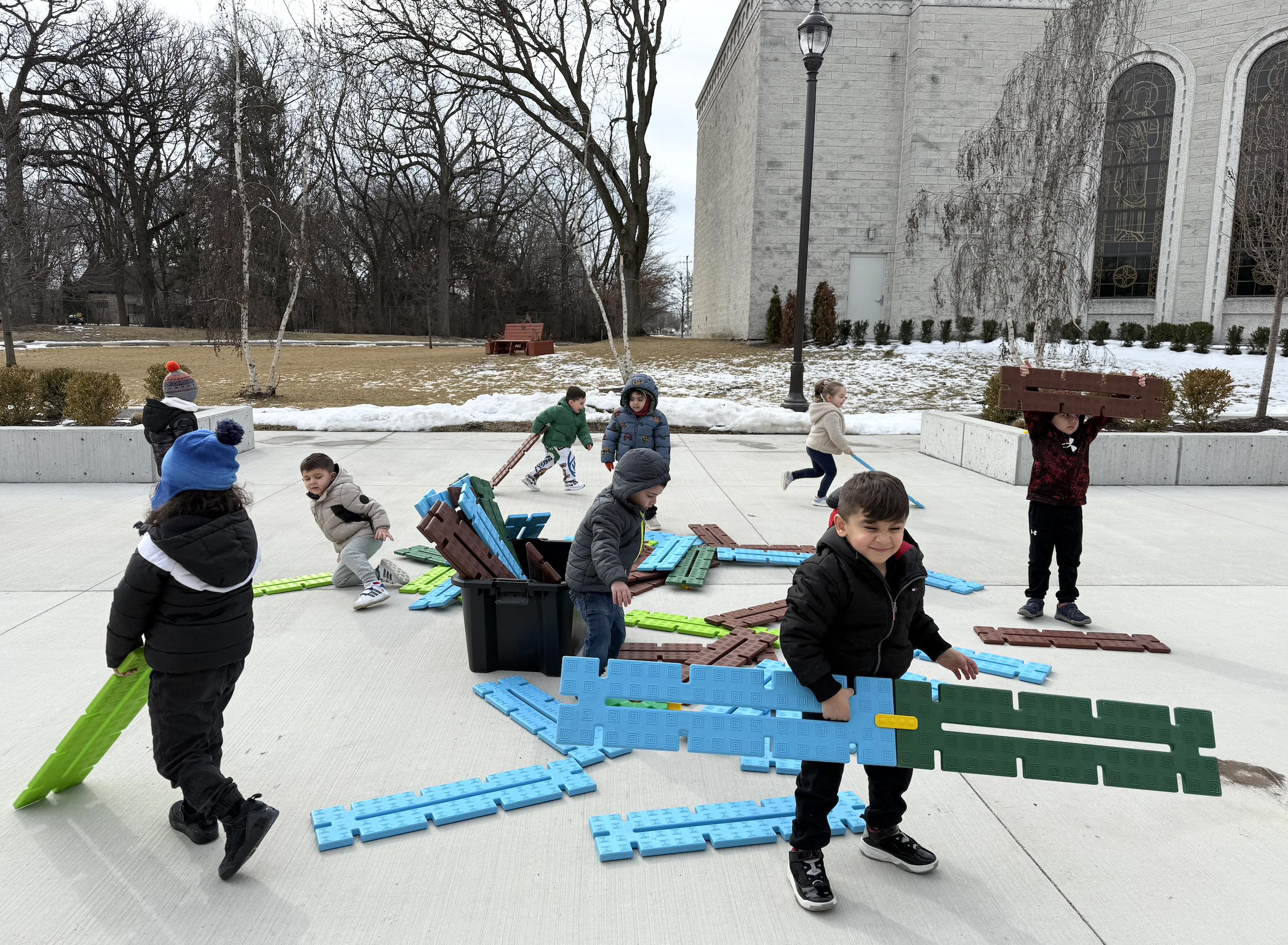
A nurturing environment with flexible half and full-day options that encourage curiosity, social skills, and early love of learning, giving them the confidence they need for a solid academic journey.
-
Middle School
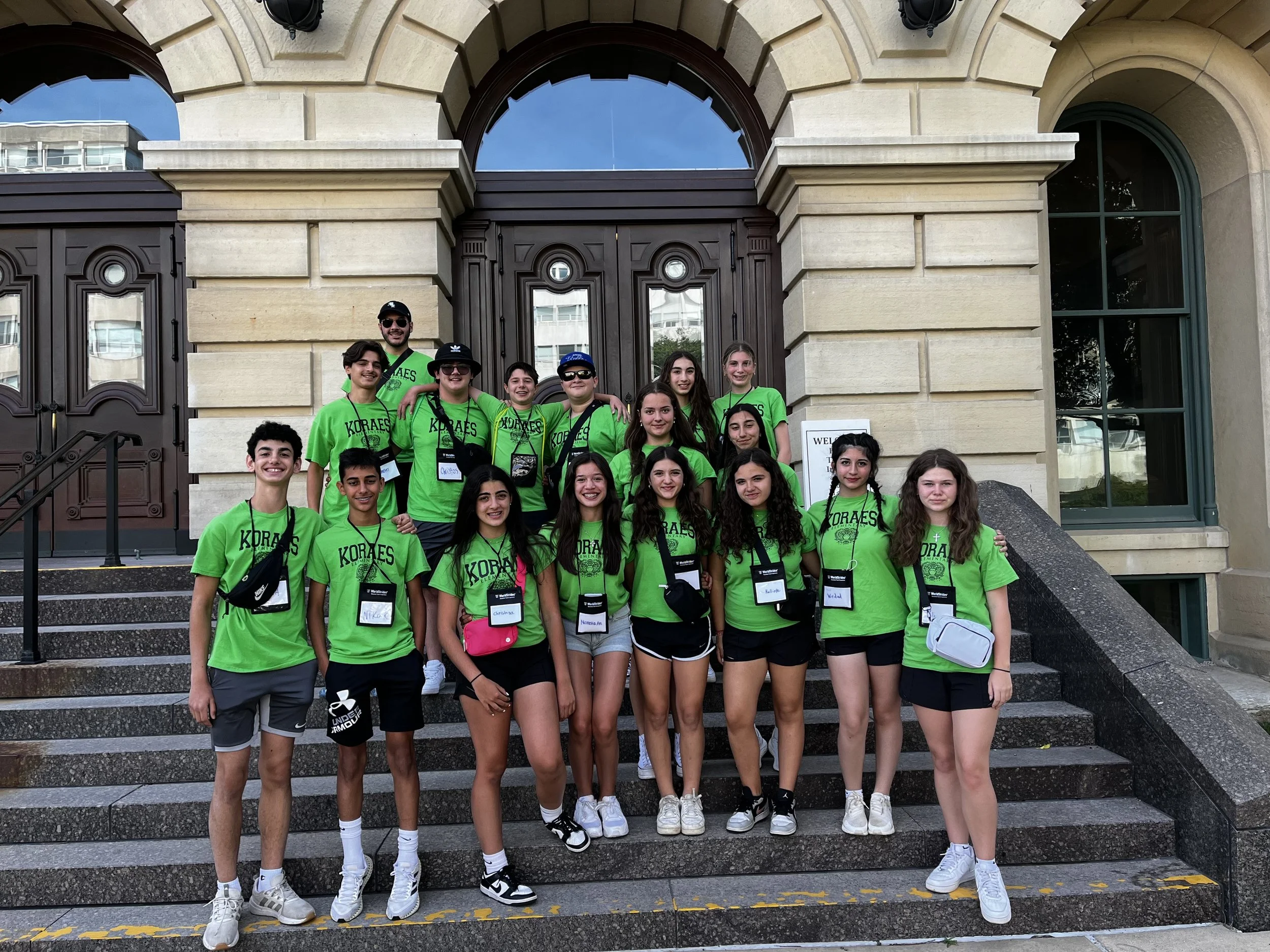
Academic rigor combined with leadership, organization, and character development to prepare students for success in high school and beyond.
-
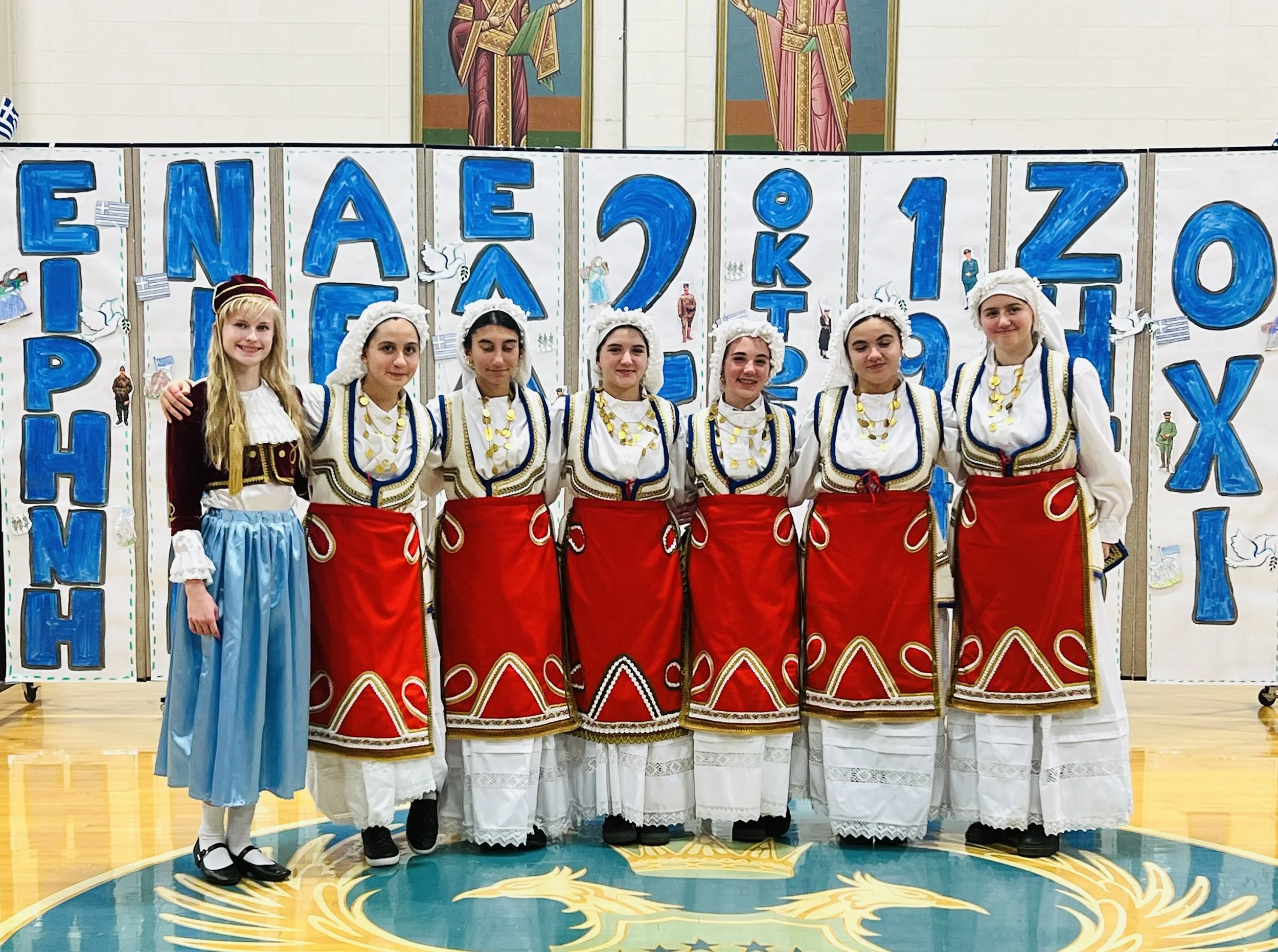
Hellenic Studies
Purposeful integration of Hellenic language and culture helps to assist in the overall development of the child, beginning in preschool. As the years progress, better understanding improves confidence and bolsters future opportunities with programming available to seek out bi-literacy.