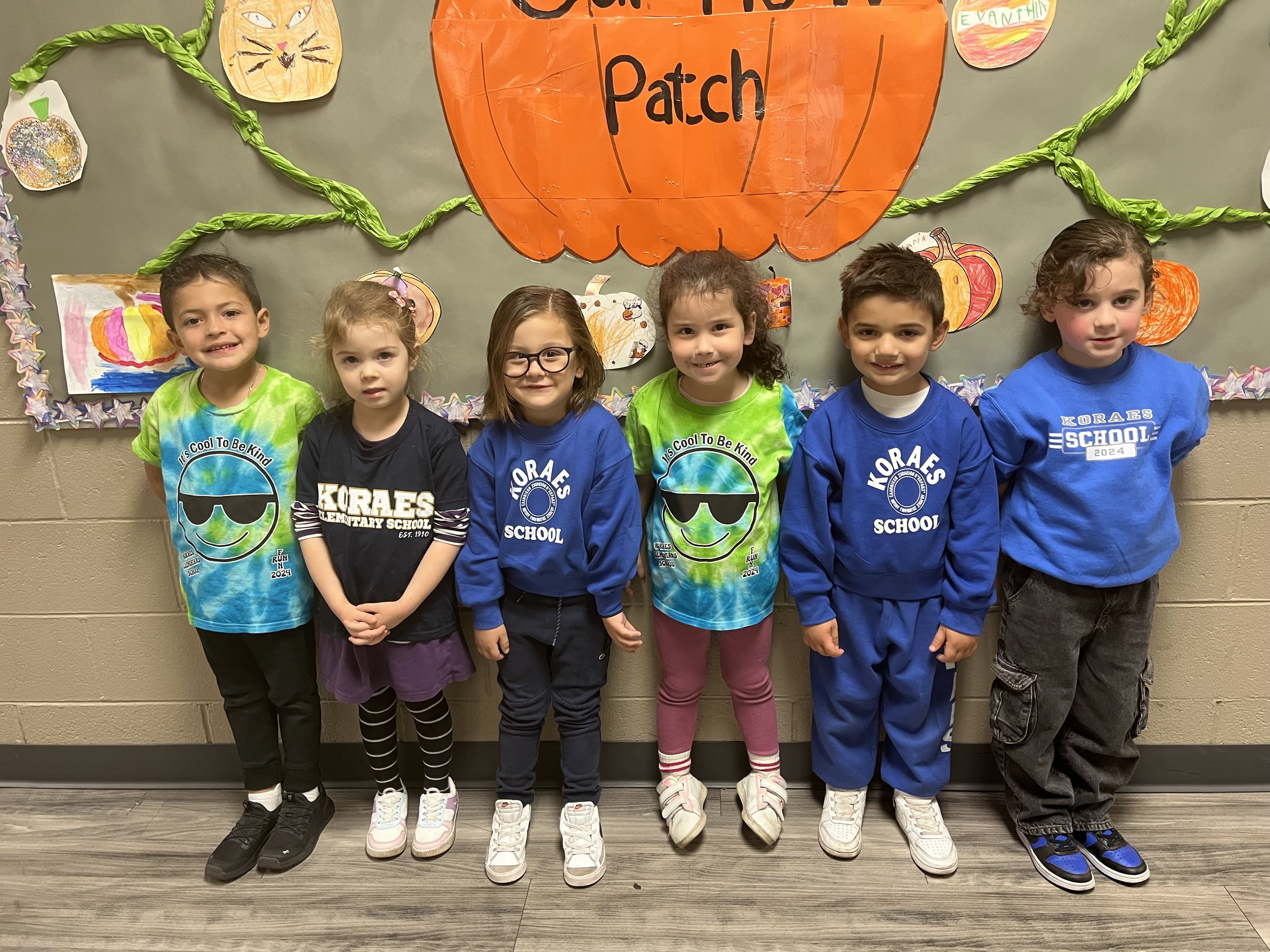
Preschool & Pre-K
Rooted in Illinois Early Learning Standards and guided by professional teachers with a passion for teaching, each day is filled with developmentally appropriate, hands-on activities designed to nurture curiosity, confidence, and a lifelong love of learning. Greek language, technology, and religion are thoughtfully integrated to support the growth of the whole child—mind, body, and soul.
Families may choose full-day or half-day options, attending one to five days per week based on their child’s needs. Enrollment begins at age three, once children are fully potty trained. To make every day easier for families, we also offer a full-week hot lunch program prepared with balanced, kid-friendly meals.
Full Day program is from 8:30am to 3:15pm
Half Day program is from 8:30am to 12:00pm
-
The reading readiness skills students develop at this age include but are not limited to: recognizing and writing their own name, using illustrations to understand the story, being aware of the multiple purposes of print, left-to-right reading, recitation and recognition of the alphabet, knowledge of front and back of books, an introduction to authors and illustrators, reproduction of letters via copying, awareness of beginning sound-letter associations, knowledge that a “string” of letters creates a word, and the use of pictographs and sentence/picture journals.
We use Jolly Phonics, which is an innovative program that approaches “learning letters” from a child-centered perspective. The multi-sensory method focuses on synthetic phonics, where the sound each letter makes is emphasized, instead of just the name of the letter. Utilizing Jolly Phonics allows for 5 core skills to be developed including: letter sounds, letter formation, blending, identifying sounds in words and identification of tricky words and letter combinations. The combined use of physical motions to help the children remember each sound provides multiple sensory engagement. -
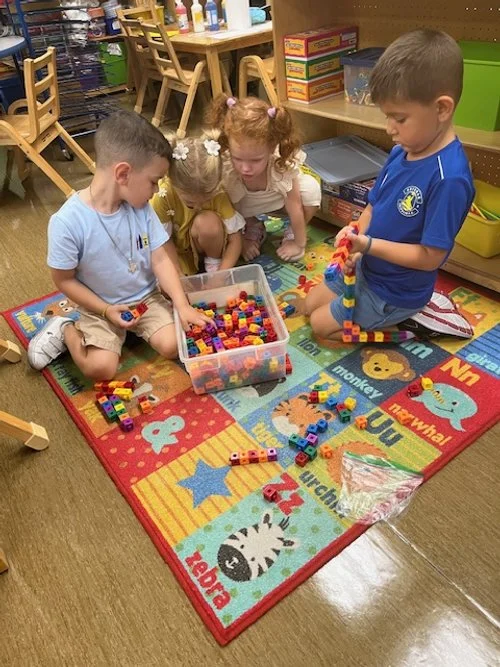
A key focus in our early learning mathematics curriculum is to develop the children’s number sense. This is achieved through daily hands-on math encounters. To develop an awareness of numeration, students use manipulatives to make one-to-one correspondence. The three-year-olds are expected to recognize and count from 1 to 10, and the four-year-olds from 1 to 20. They can also estimate more and less, and use number books. Geometry work includes free play with tanagrams and wooden blocks, being able to name basic shapes (circle, square, triangle, rectangle, star, octagon, and geometric solids), recognize these shapes in everyday objects, and use the shapes in art activities such as collages. Four year old students write calendars to understand days, weeks and months. Children learn about measuring during hands-on activities such as water and sand play with volume (pails, cylinders, boxes, etc.), free play with measuring tools, and weighing activities using a beginner’s scale as well as bi-monthly cooking projects.
-
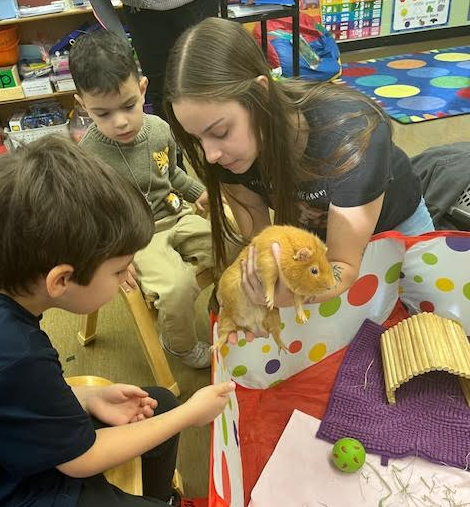
The objective of the science curriculum is to make the world familiar to children via hands-on explorations of everyday objects. The course outline includes units that arise from the children’s interests, as well as weather, germs, colors and color-mixing, magnets, plants and flowers, bugs and insects, bubbles, babies and human growth, and animals.
-
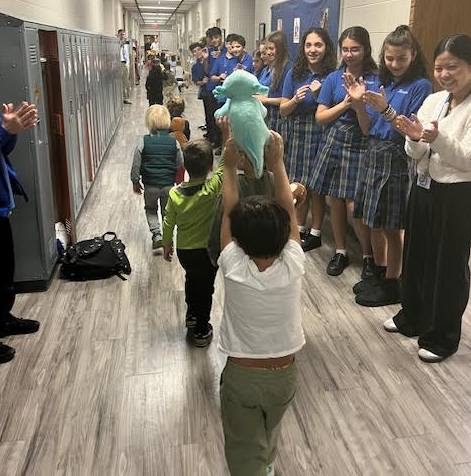
The Orthodox faith is a core component to our school mission. Students start the day with prayer and end the day by venerating the class icon as they exit the room. Our faith serves as the foundation for all aspects of the school day. Preschool students attend Liturgy whenever possible. As part of their curriculum, religious instruction emphasizes identification of different items in icons, elements of the liturgical calendar, and a basic understanding of all major feast days.
-
The primary goal of the social studies component is to understand the world we live in, from the 7 continents down to our home town. Our staff works with topics including differences and similarities among people, friends, and families, while keeping the focus on the fact that we are all God’s children.
-
Basic topics covered include greetings, numbers from 1 to 10, colors, animals, body parts, family, food and feelings. Students attend weekly lessons in small groups that complement the weekly preschool theme for the week. During these lessons they use a variety of skills, such as cutting, coloring, matching, writing and singing.
-
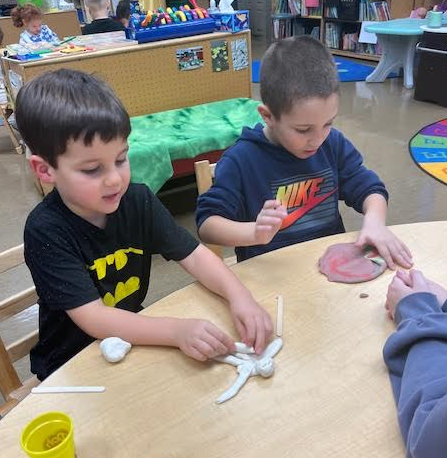
Young children are primarily process-oriented artists. Multiple opportunities to explore the media are necessary before they can be expected to create a purposeful art piece. Because of this, the preschool art program does not focus on the end product, but rather on the process that the child experiences. By designing process-oriented art encounters, the children’s skills in drawing, painting, pasting, cutting, tearing, and sculpting can be extended to their fullest potential. Furthermore, all artistic endeavors, great or small, are appreciated. With that being said we do make special craft projects through out the year. Students use the following media throughout the school year: pencils, markers, crayons, tempera paints, watercolor, clay, pastels, chalk, collage and play dough.
-
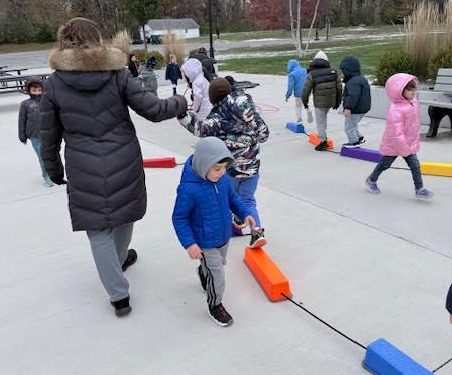
The physical education program encourages gross-motor and fine-motor development. The children participate in fun, interactive cardiovascular activities, both in the classroom and in the gymnasium, while also working on their social skills (taking turns, following rules and directions) and academic knowledge (counting, alphabet, colors).
-
Handwriting Without Tears is used with our 3 and 4 year old students. Research supports the active teaching of handwriting, and recent findings demonstrate that writing by hand improves creative writing skills and fine motor skills. With the adoption of the Illinois Learning Standards, the emphasis and expectations placed on classroom note-taking and expository writing in grades K-5 is greater than ever. Our students love interacting with the characters, learning the songs and participating in the writing activities.
-
Prekindergarten students receive instruction each week in physical education to promote healthy physical development and align to the Illinois Early Learning Development Standards (IELDS). The domain of physical development and health includes preschool benchmarks in: movement skills, rules and safety during physical activity, team building skills, principles of health promotion and prevention, and human body systems. Additionally, all preschool students receive instruction through age-appropriate sexual abuse and assault awareness and prevention through Erin's Law presentations.
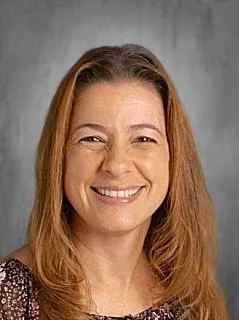
Mrs. Sonia
I have a degree in Early Childhood from Moraine Valley College and 23 years of experience teaching in a preschool environment, with five of those years in a CPS preschool. My youngest daughter of three children graduated from Koraes and is beginning her journey of becoming a teacher herself. While staying home with our children for 12 years, I also took care of the children of friends and family. This will be my 12th year here at Koraes and 8th year as Preschool Director/Lead 4’s Teacher. In my free time, I like to spend time with my children, granddaughter and husband. Each year I am more excited than the year before, to guide and teach your children, our students to grow and learn as much as they can, and to prepare them for kindergarten.
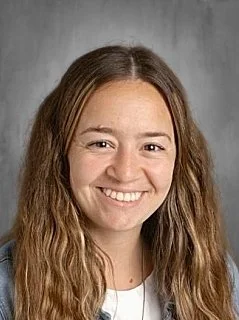
Mrs. Gabriel
Koraes Alum ‘12
This is my fifth year teaching at Koraes! I have my Bachelors Degree in Early Childhood Education from Illinois State University. I am very proud to say that my family and I are all Koraes alumni. I am so blessed to be back here as a teacher and have the opportunity to provide my students with the amazing learning experiences that I had at Koraes. I have taught 1st grade Greek, and I also teach Greek in the afternoons aside from Preschool in the mornings. Some things that I like to do aside from teaching are spending time with my family and friends along with traveling. With traveling, I have learned to explore and wonder about the many things this world has to offer and I would like to share those types of learning experiences with my class. I am determined and excited to make every year a great year full of memories!
-
Kindergarten – 5th Grade
Strong foundations in reading, writing, math, science, and critical thinking, with differentiated instruction to meet diverse learning needs.
-
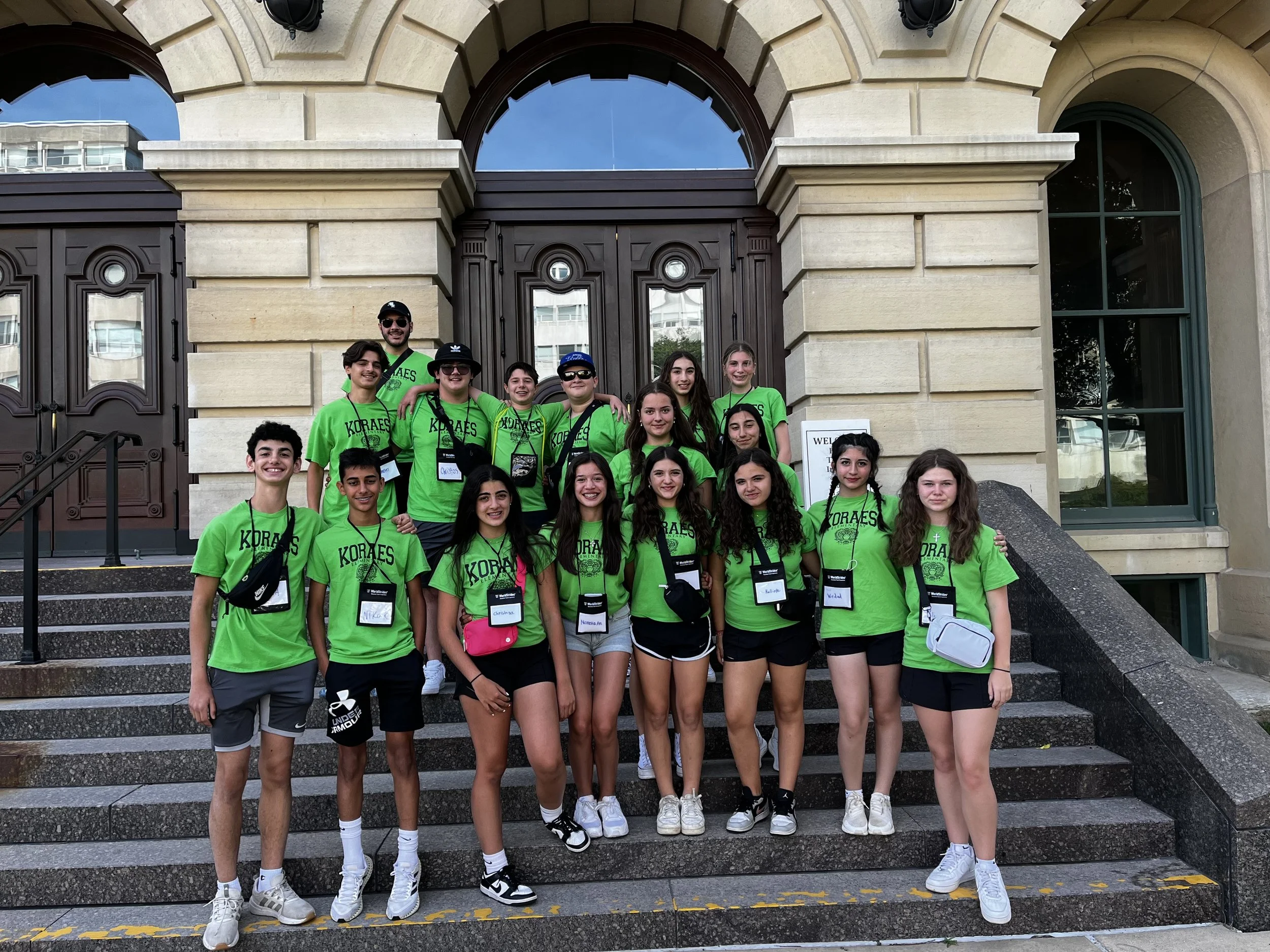
Middle School
Academic rigor combined with leadership, organization, and character development to prepare students for success in high school and beyond.
-
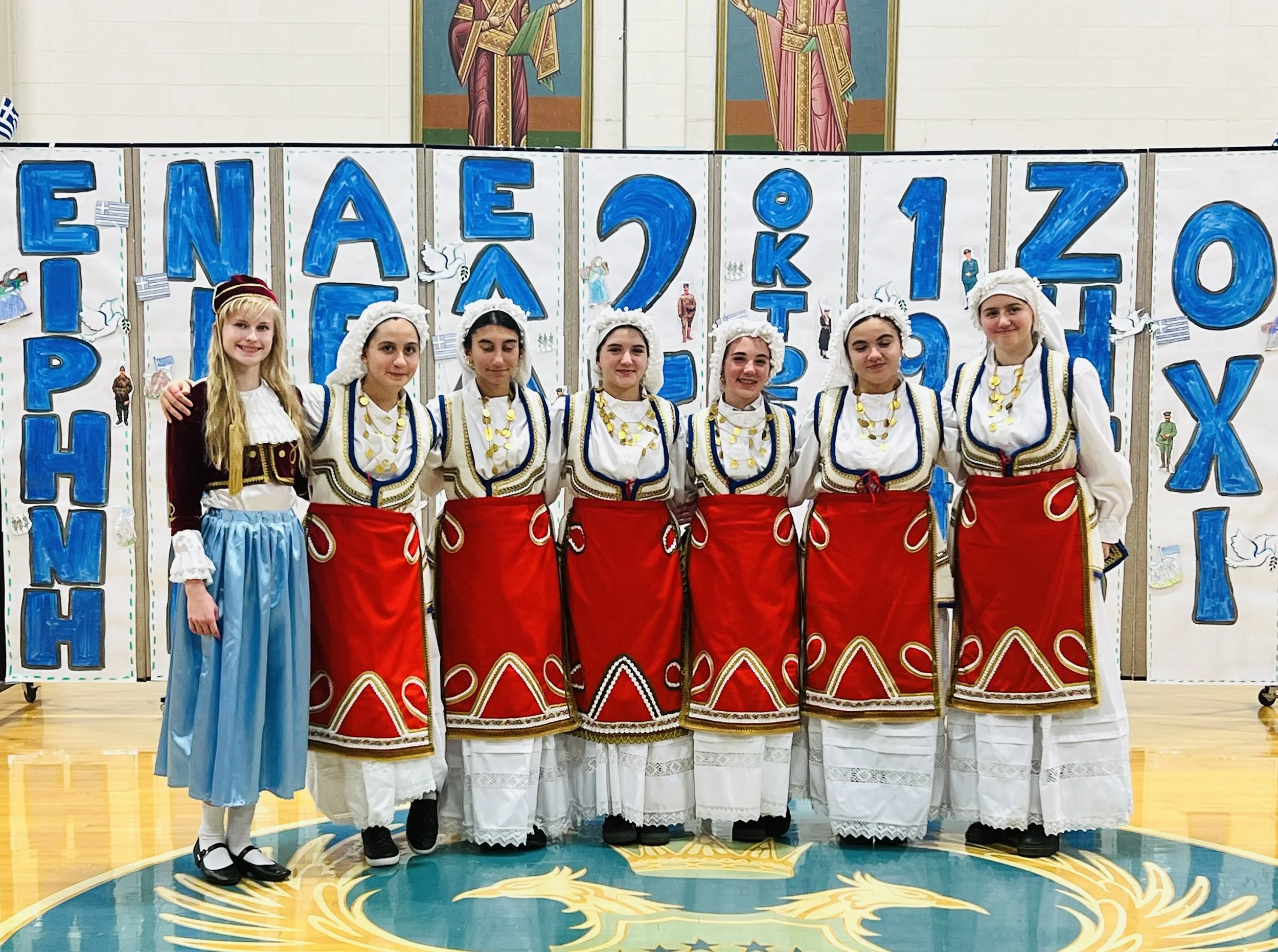
Hellenic Studies
Purposeful integration of Hellenic language and culture helps to assist in the overall development of the child, beginning in preschool. As the years progress, better understanding improves confidence and bolsters future opportunities with programming available to seek out bi-literacy.