Hellenic Studies
& Greek Enrichment Programs
ἥβης ἀγλαὸν ἄνθος
the bright flower of youth
In addition to the core Greek Language curriculum, Koraes Elementary School offers a Greek Extension Program designed to deepen students’ understanding of Greek history, geography, mythology, dance, and cultural traditions. This enrichment component ensures that every child not only learns the language but also experiences the beauty and depth of Hellenic civilization in authentic and meaningful ways.
-
The Ellinomathia Program at Koraes Elementary School offers an evening pathway for children, teens, and adults to prepare for the official Greek Language Proficiency Examinations of the Centre for the Greek Language (Κέντρο Ελληνικής Γλώσσας). These internationally recognized assessments correspond to the Common European Framework of Reference for Languages (CEFR) and align with ACTFL proficiency levels used in the United States. Successful completion of the Ellinomathia examinations allows students to earn the Seal of Biliteracy, an official credential recognizing bilingual proficiency and cultural competence in Greek.
Classes are designed for heritage learners, second-language learners, and adult professionals, emphasizing authentic communication, cultural literacy, and test-specific strategies. Students develop all four language domains — listening, speaking, reading, and writing — through interactive instruction, technology integration, and performance-based tasks. Instructional resources include authentic materials from the Centre for the Greek Language (ΚΕΓ). -
The A1 for Kids course introduces younger learners to the formal structure of the Greek language while reinforcing their oral fluency and confidence. Lessons are highly visual, musical, and interactive, focusing on basic communication, alphabet mastery, and core vocabulary (family, school, food, weather, holidays). Students read and write short sentences, respond to simple questions, and engage in pair and group activities that mirror the Novice Mid to High ACTFL proficiency range.
The course culminates in a mock Ellinomathia A1 practice exam, helping children become comfortable with test format, oral tasks, and reading comprehension passages. -
This foundational course introduces learners to the Greek language and culture from the beginning, developing practical communication skills for everyday use. Instruction emphasizes pronunciation, basic grammar (nouns, articles, present tense verbs), and essential vocabulary for introductions, daily life, and travel.
Students learn to hold simple conversations, read short dialogues, and write personal information or short paragraphs. The goal is to reach CEFR A1 / ACTFL Novice High proficiency, allowing participants to understand and produce familiar expressions with confidence. By course end, students complete practice tests modeled on official Ellinomathia sections (reading, listening, writing, and oral interview). -
The A2 Level course expands linguistic accuracy and cultural understanding. Students learn to communicate in short connected sentences about everyday experiences, plans, and preferences, using past and future tenses. Reading passages include simple articles, letters, and announcements, while writing assignments move toward short narratives and descriptive paragraphs.
Instruction focuses on vocabulary expansion, verb tense mastery, and grammatical cohesion. Learners also practice speaking through role-plays and presentations that reflect ACTFL
Intermediate Low to Mid proficiency
Upon completion, students are well prepared to take the Ellinomathia A2 exam, demonstrating the ability to function independently in predictable social situations. -
At the B1 Level, students achieve a greater degree of fluency and control of the Greek language. Instruction emphasizes complex sentence structure, subordinate clauses, and contextual accuracy in both speech and writing. Students learn to summarize information from various sources, express opinions, and engage in longer conversations on familiar topics.
Reading comprehension includes short stories, articles, and opinion pieces, while writing tasks develop coherent paragraphs and essays. The cultural dimension deepens through discussions of Greek traditions, current events, and everyday life in Greece and the diaspora.
By the end of the course, students operate at ACTFL Intermediate Mid to High proficiency and are ready for the Ellinomathia B1 exam. -
Item desThe B2 Level represents advanced competency and analytical language use. Students can understand main ideas of complex texts, discuss abstract topics, and interact fluently with native speakers. Instruction focuses on accuracy, fluency, and stylistic expression, integrating grammar refinement (passive voice, subjunctive, conditional forms) and essay writing.
Oral activities include debates, structured discussions, and presentations that require critical thinking and persuasion. Reading selections feature authentic Greek materials—newspaper articles, interviews, literary excerpts—and students practice writing coherent essays expressing viewpoints and justifying arguments.
By the end of this course, students reach ACTFL Advanced Low proficiency, fully prepared for the Ellinomathia B2 examination and the Seal of Biliteracy distinction.
Program Structure and Assessment
ScheduleClasses meet two evenings per week from September through May, with additional review sessions in spring.
Instructional DesignCourses combine direct instruction, collaborative projects, online practice, and exam simulations.
AssessmentStudents are assessed through weekly writing and speaking tasks, mock exams, and digital performance portfolios.
CertificationLearners who successfully pass the Ellinomathia exams (A1–B2) receive an official certificate from the Centre for the Greek Language and may qualify for the Illinois Seal of Biliteracy.
-
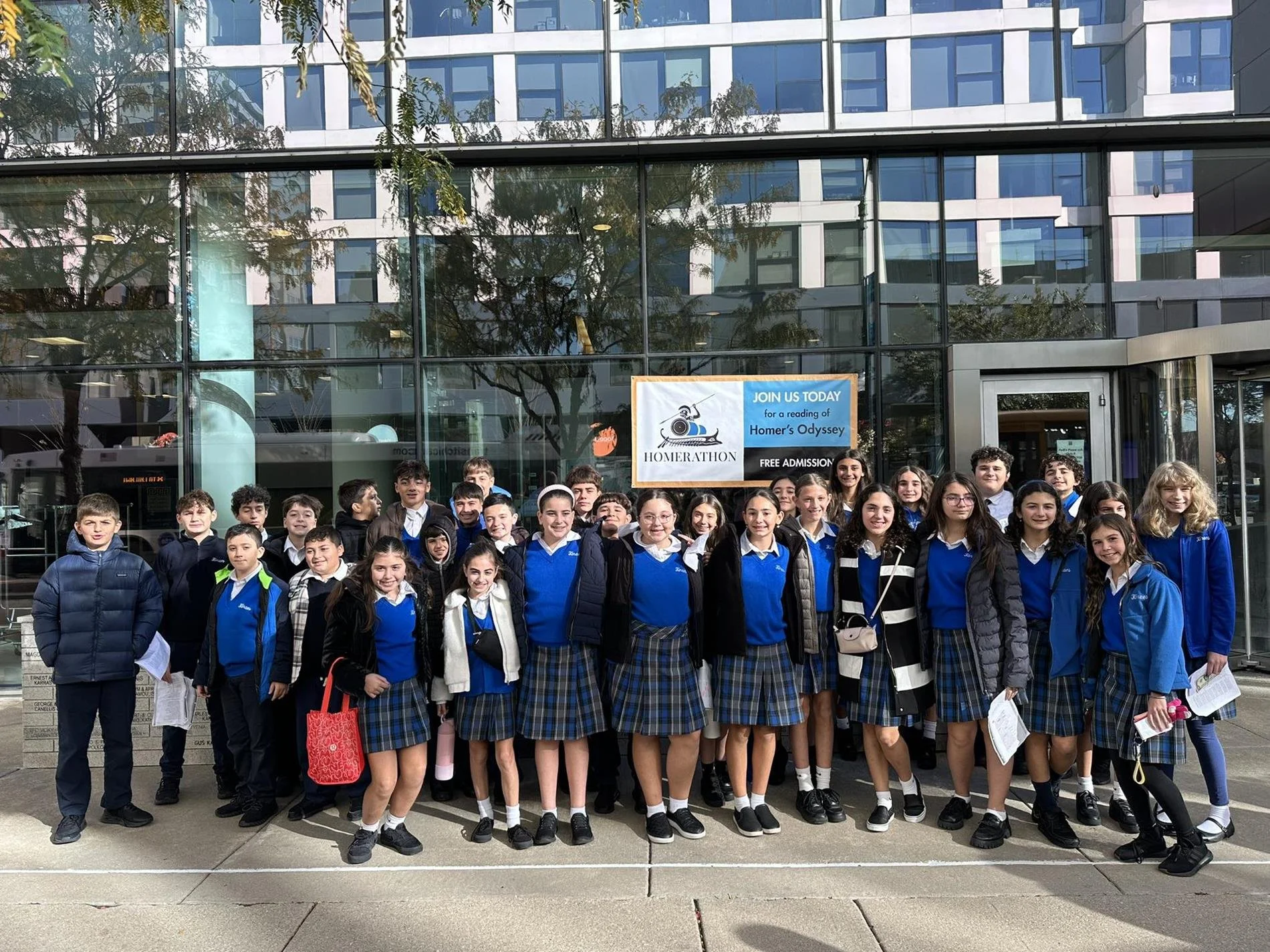
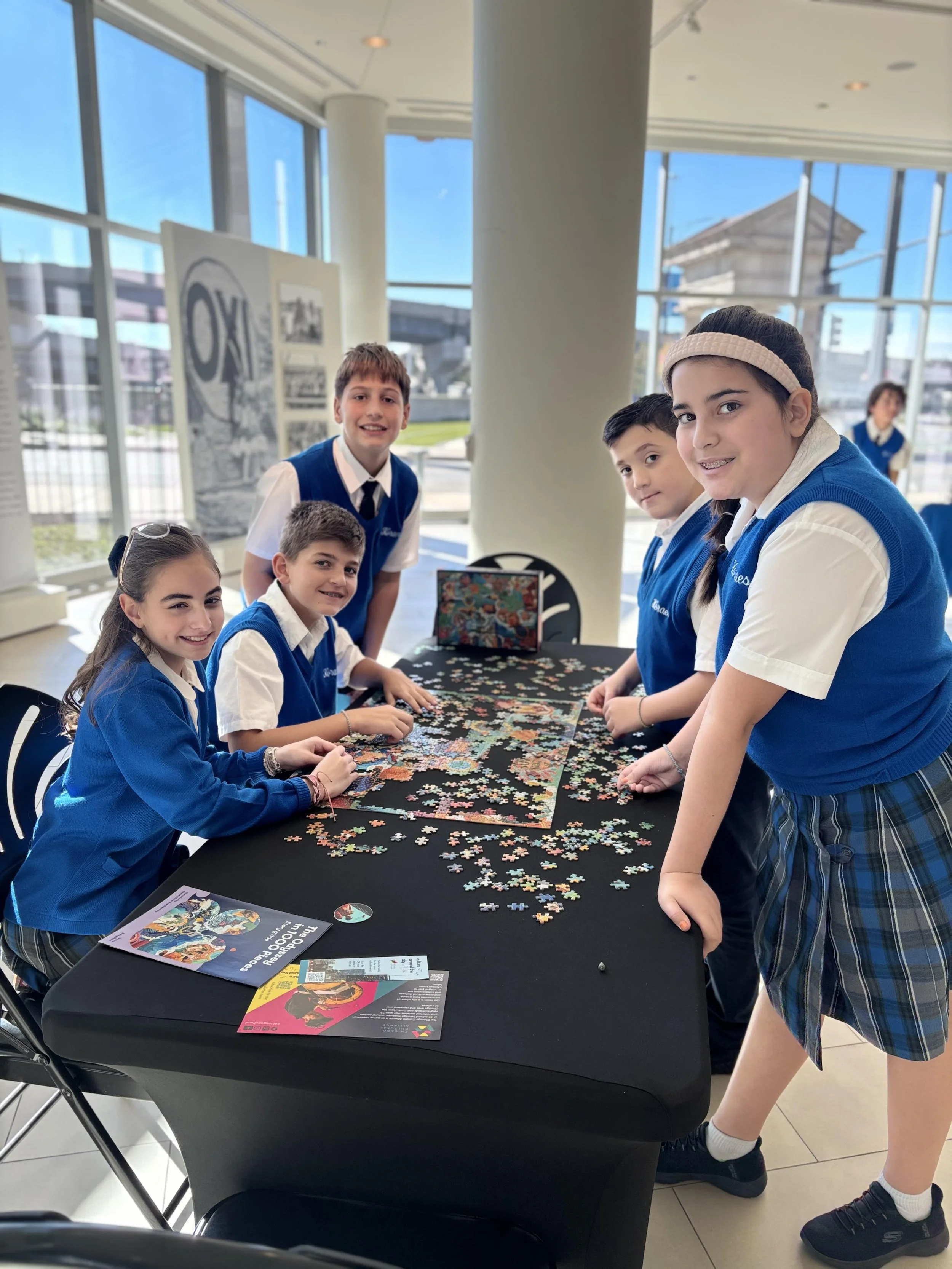
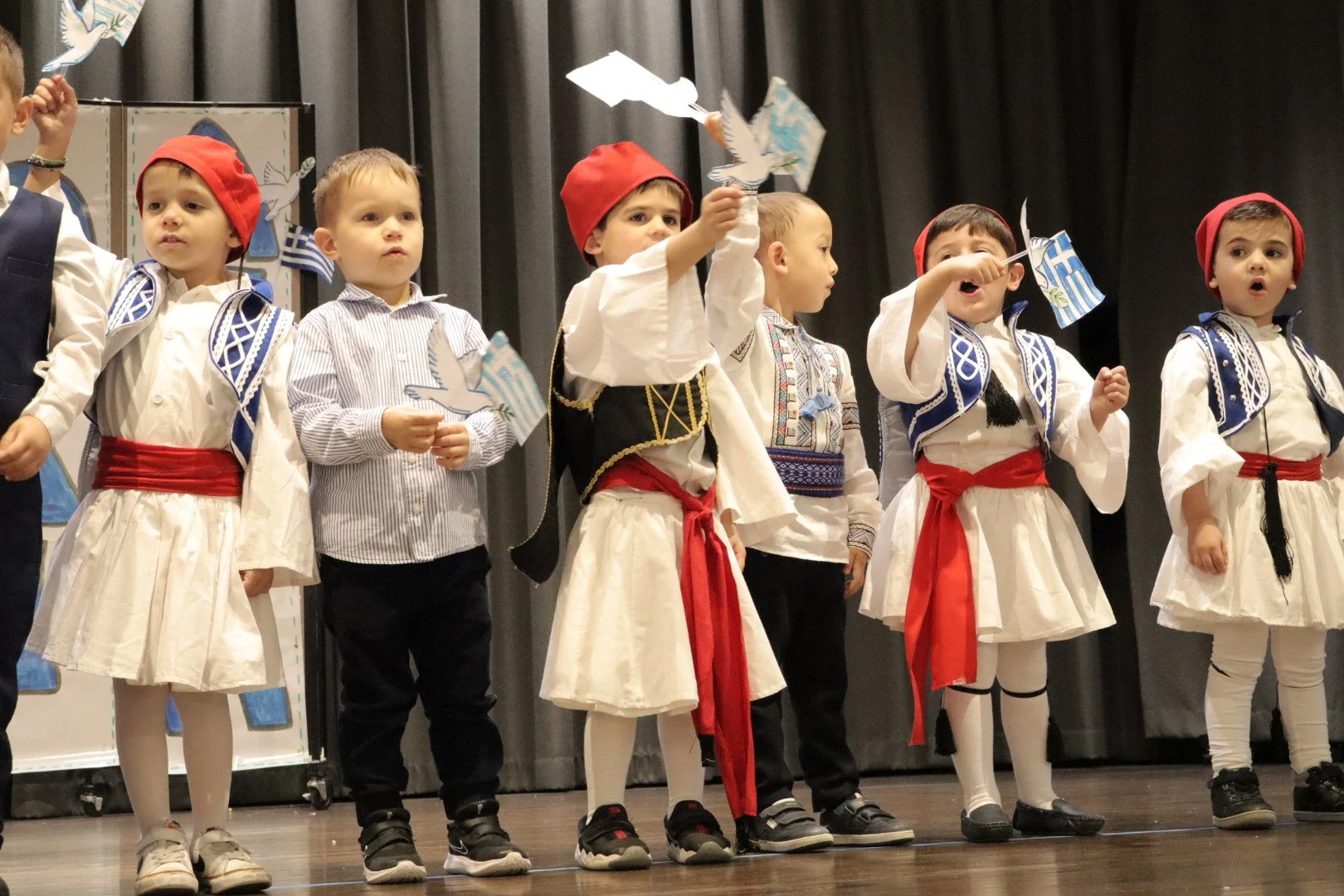
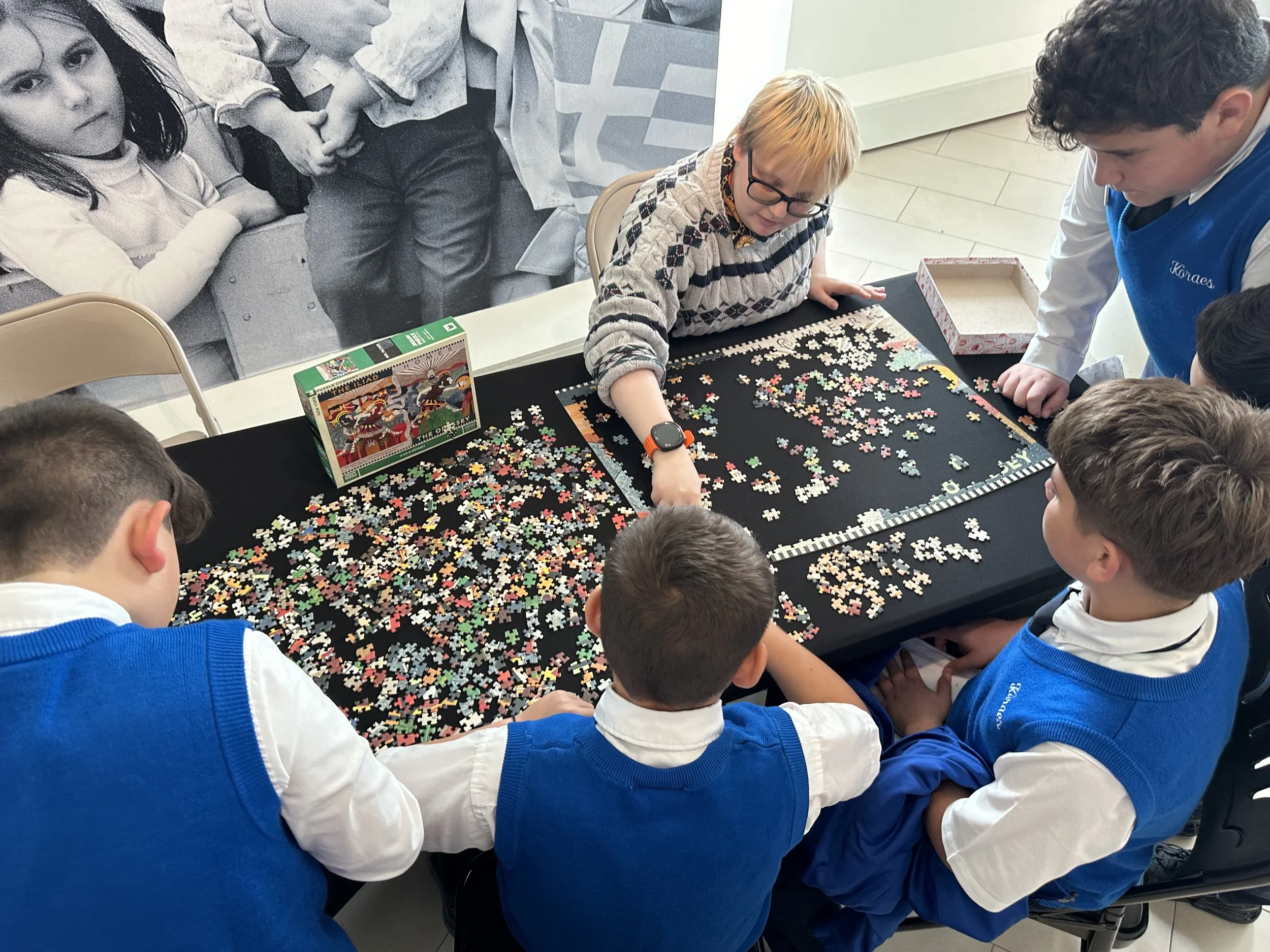
Students in 3rd, 4th, and 5th grades explore the world of Greek Mythology, Geography, and Greek Customs and Traditions. Through stories of ancient gods and heroes, students learn moral lessons, historical connections, and vocabulary rooted in mythology. Geography lessons help students locate ancient and modern landmarks, identify regions of Greece, and understand the country’s landscape and islands.
The study of customs and traditions connects students to the religious, cultural, and festive aspects of Greek life, including holidays, folk art, and family traditions. Learning is hands-on, with projects, crafts, and multimedia presentations that bring Greek heritage to life. -
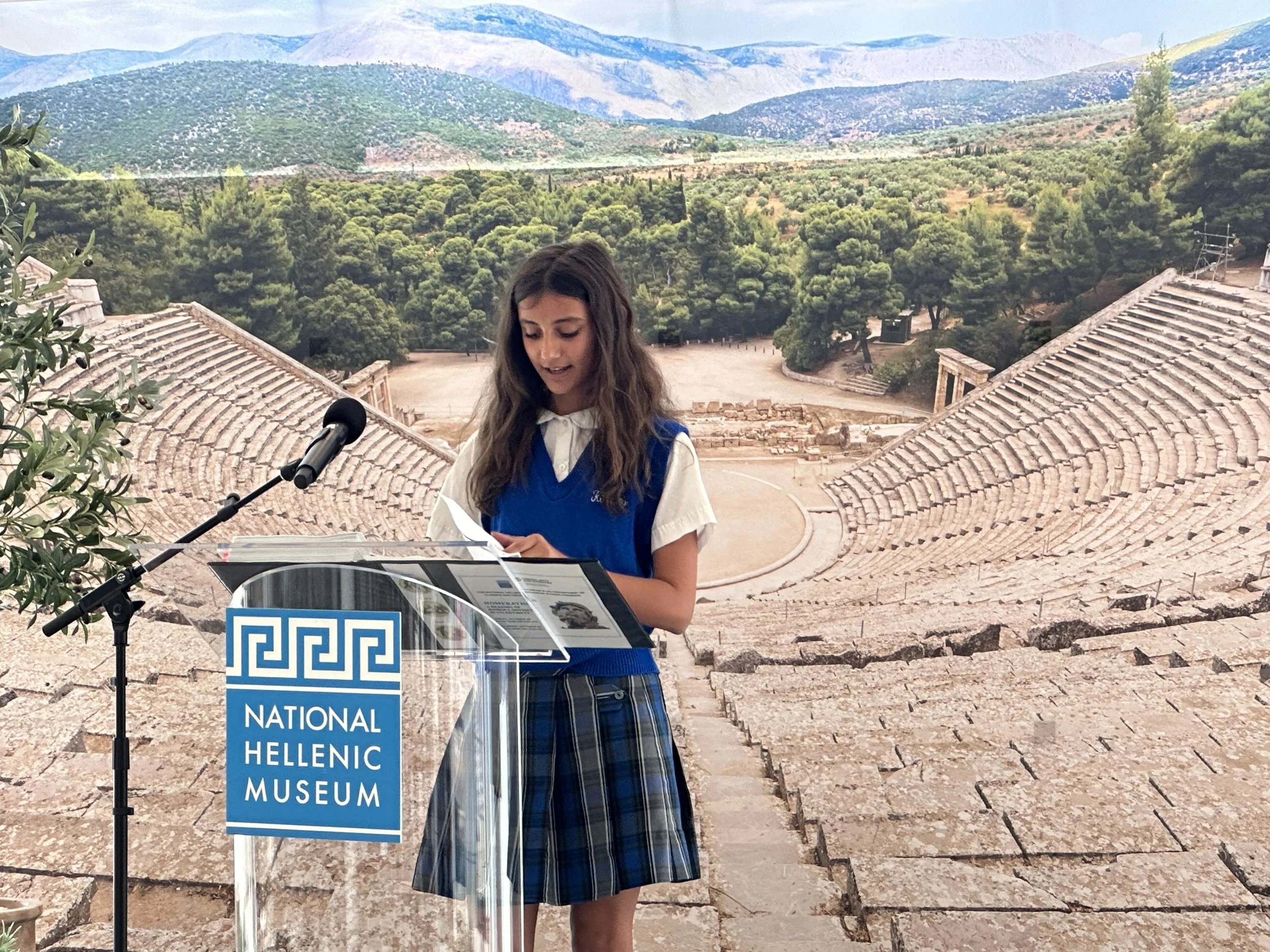
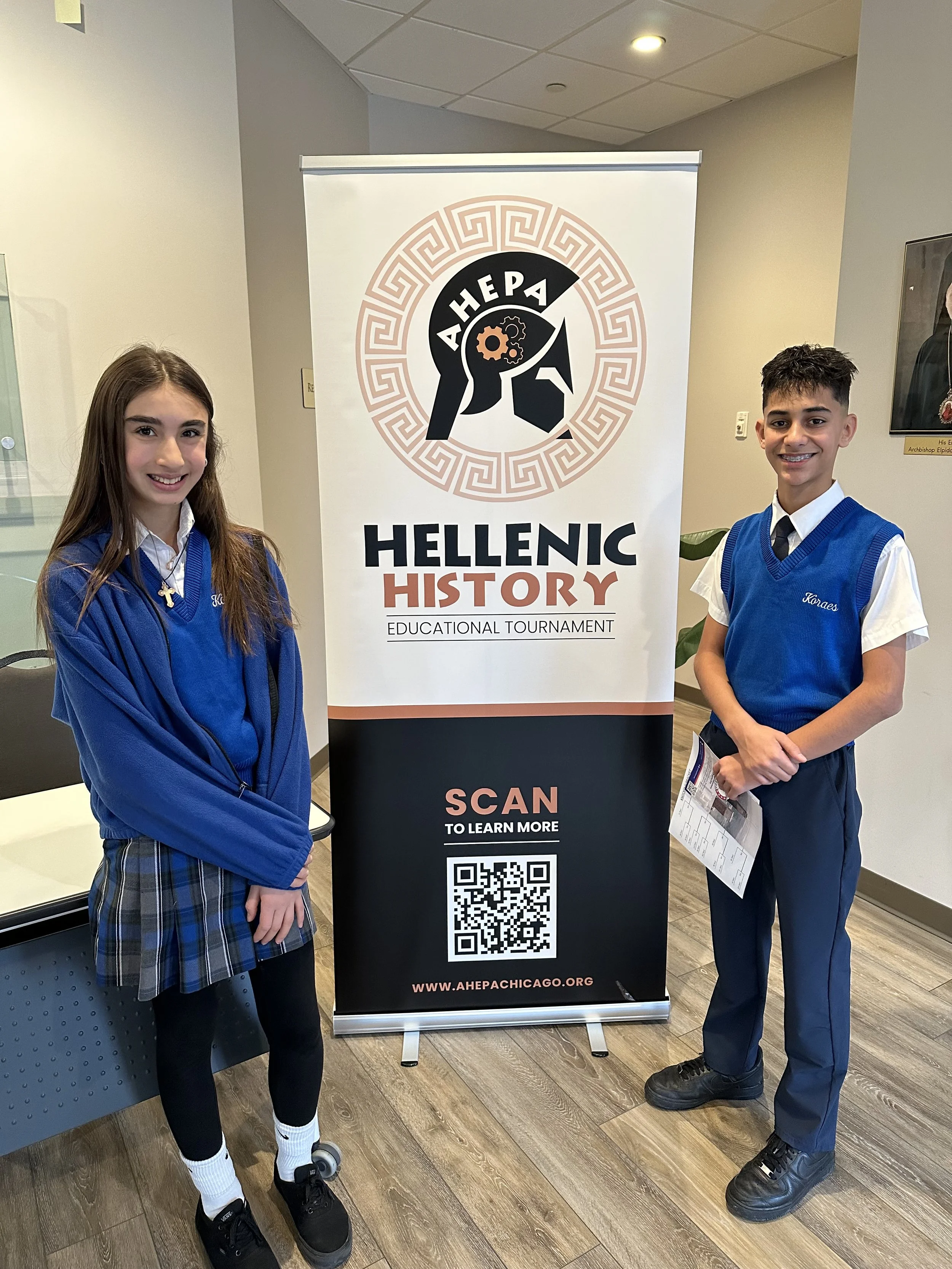
Students in 6th, 7th, and 8th grades engage in a more advanced study of Greek History, Geography, Dance, and Greek Culture. The curriculum traces Greece’s journey from ancient democracy to modern independence, helping students understand how Greek values shaped Western civilization.
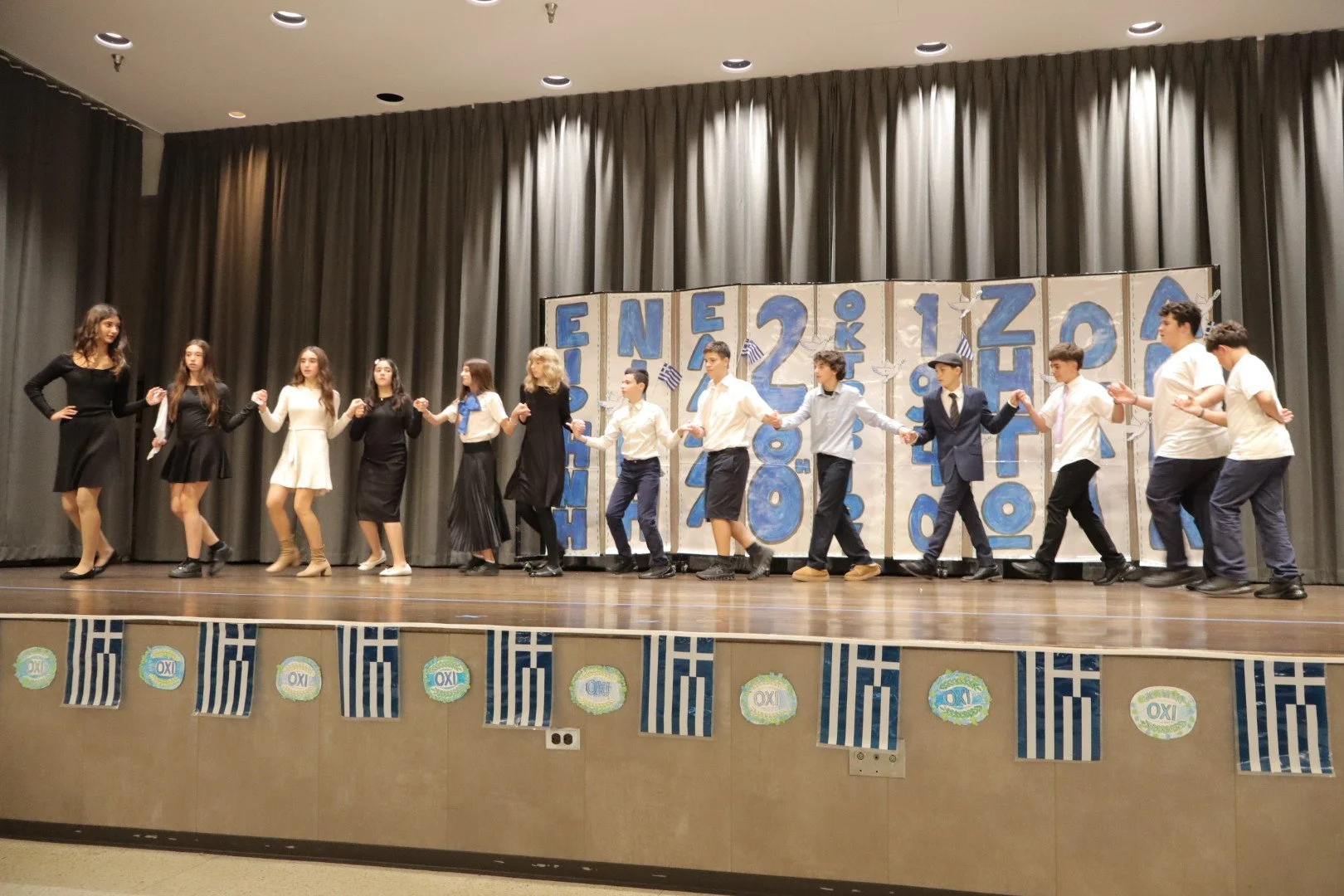
Geography study expands to include economic and cultural regions, major cities, and Greece’s role in the European and global community. Students also learn traditional Greek dances and explore how music, literature, and art continue to express Greek identity.
Cultural studies include modern Greek society, the Orthodox faith, and connections to the Greek diaspora, allowing students to see themselves as part of a living and evolving heritage. The Greek Extension Program reinforces the mission of the Greek Department—to nurture bilingual, bicultural, and globally aware students—and provides a holistic educational experience that connects language learning with cultural pride, creativity, and community.


-
Preschool & Pre-Kindergarten
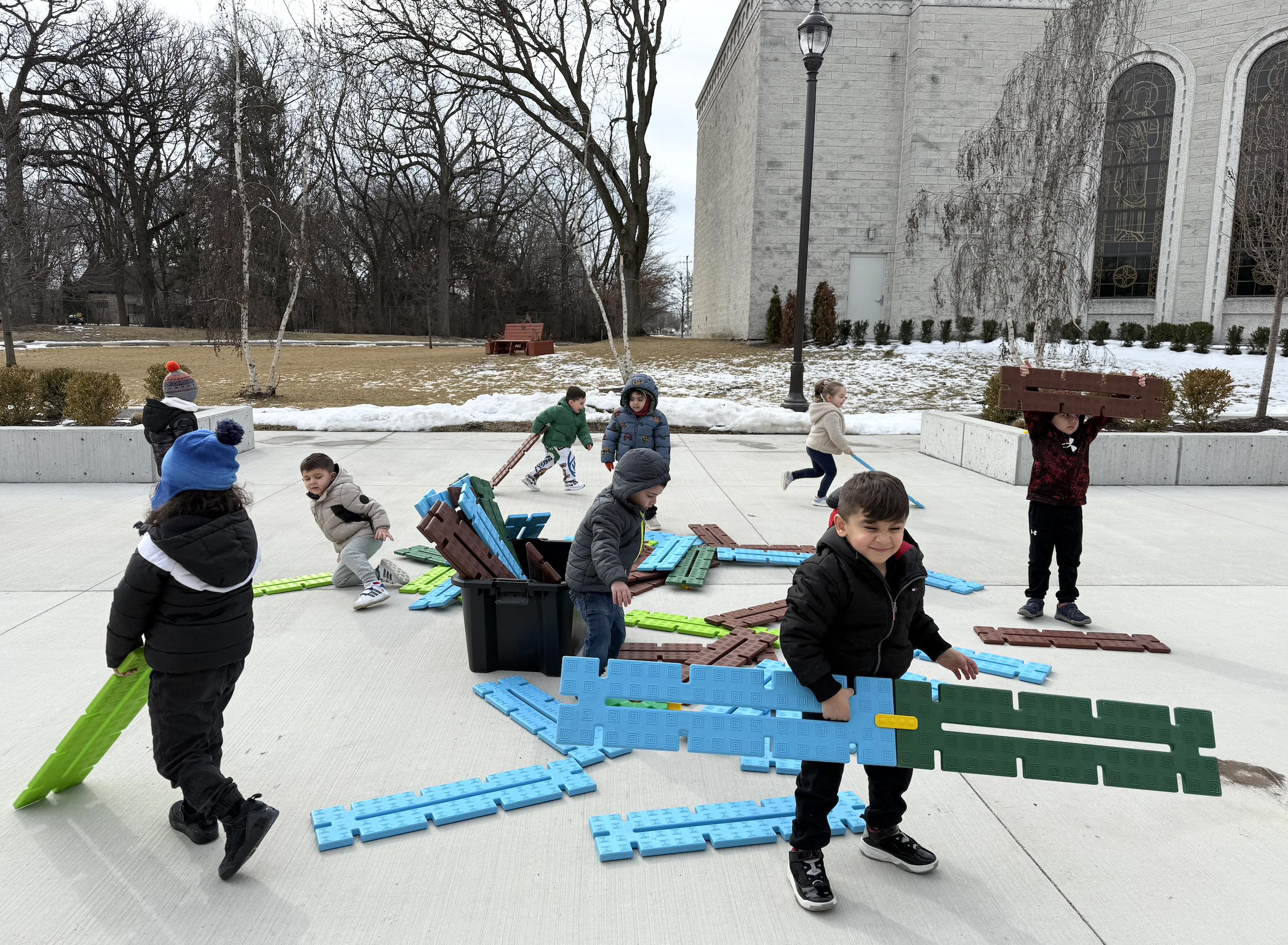
A nurturing environment with flexible half and full-day options that encourage curiosity, social skills, and early love of learning, giving them the confidence they need for a solid academic journey.
-
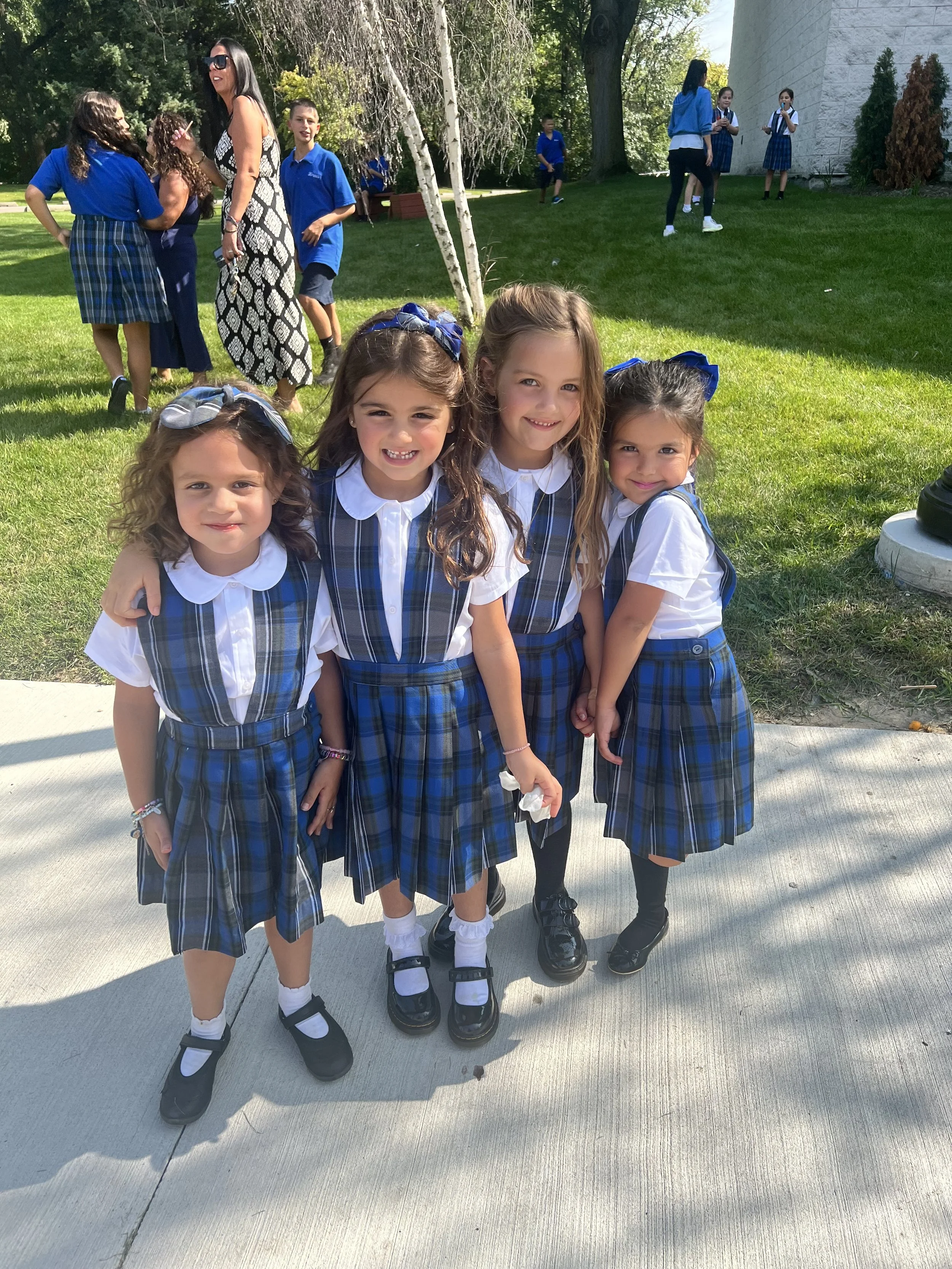
Kindergarten – 5th Grade
Strong foundations in reading, writing, math, science, and critical thinking, with differentiated instruction to meet diverse learning needs.
-
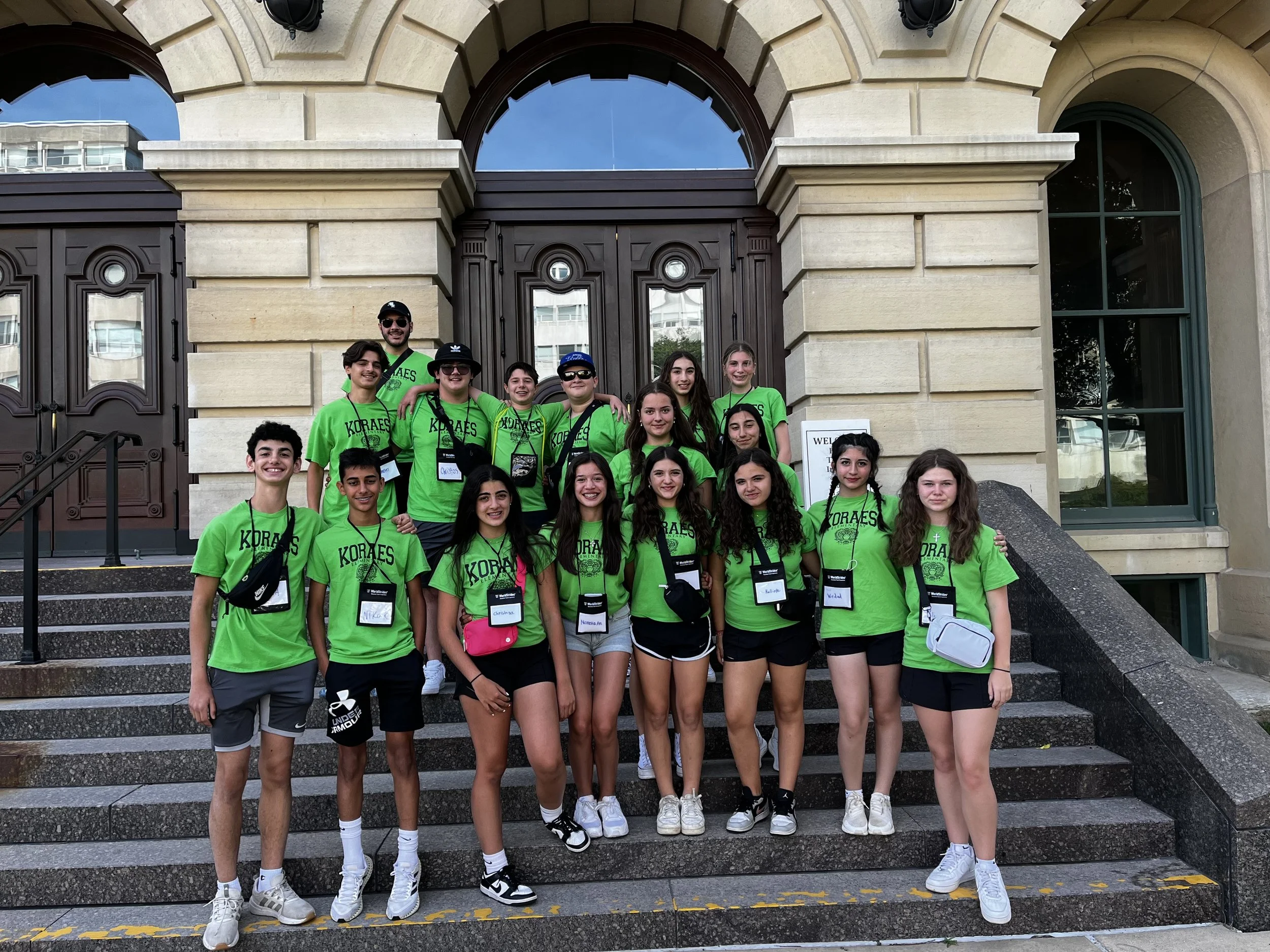
Middle School (6th – 8th Grade)
Academic rigor combined with leadership, organization, and character development to prepare students for success in high school and beyond.